Alderperson Going Around Mayor To Start Chicago VGT Process
Beale serves notice that Chicago is ready to move forward with video gaming terminals in the Windy City, with or without Johnson
2 min
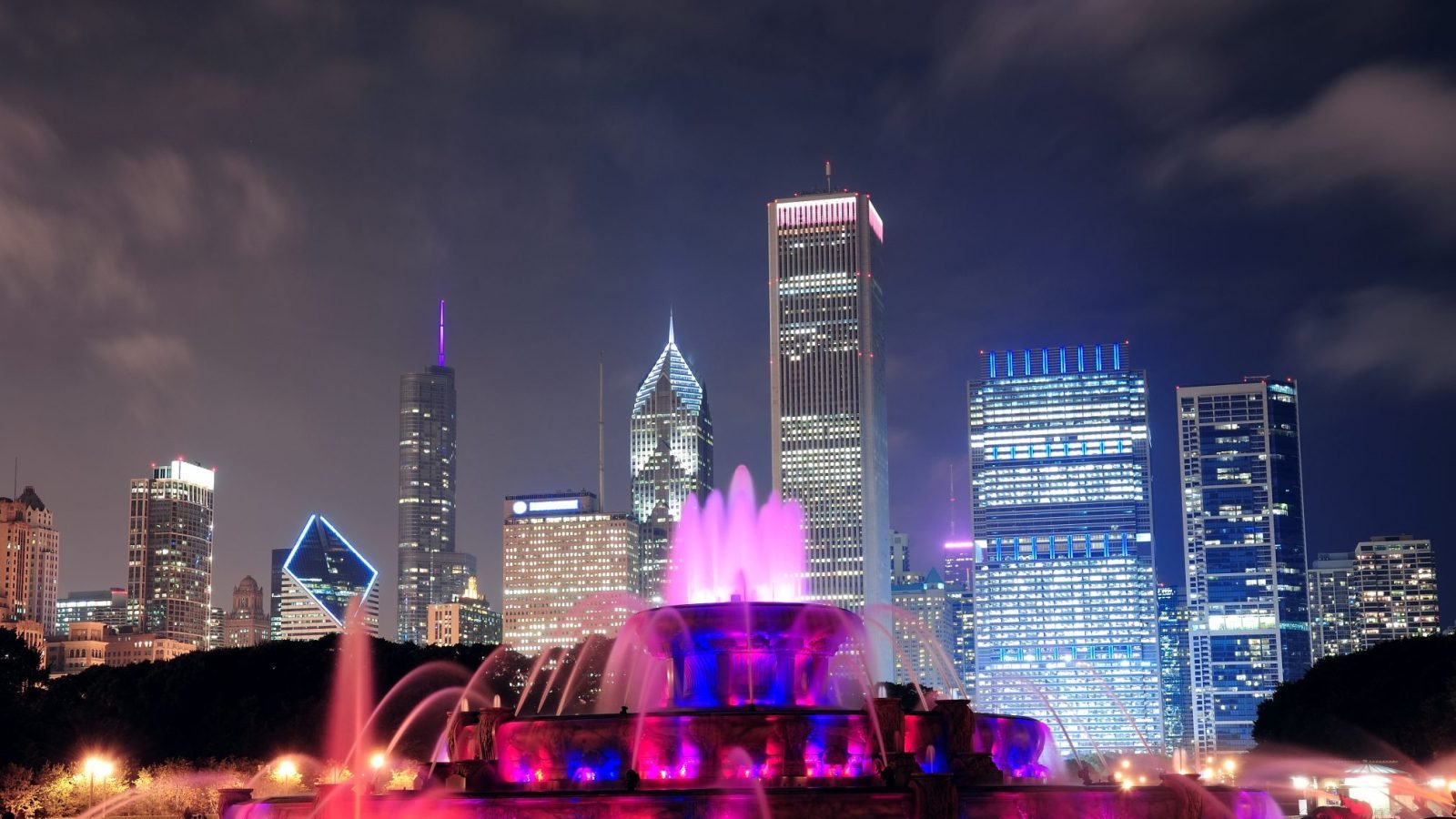
Alderperson Anthony Beale, the driving force behind legalizing video gaming terminals (VGTs) in the 2026 budget over the objections of Chicago Mayor Brandon Johnson, announced Wednesday he will be sending the certification letter to the Illinois Gaming Board and state government to start allowing prospective licensees to apply.
Beale, who has been on the Chicago City Council since 1999, announced Tuesday night on WGN’s The Point he was ready to send the letter to the IGB, which would serve as notice that City Hall is ready to open the application process. He confirmed those plans Wednesday during a Finance Committee meeting.
“Madam Chairman, I already have a stamp-sealed signature from the clerk’s office that will be filed today,” Beale said. “And I have multiple signatures from my colleagues. So if this administration doesn’t want to notify the state that we’re accepting video gaming terminals, then we will take matters into our own hands and we will do the job the mayor is supposed to do.”
Johnson’s office had not sent the certification letter as of Tuesday, and Beale accused the embattled first-term mayor of looking for ways to have the ordinance repealed. At a press conference Tuesday, Johnson said he had not reached a decision on repealing the ordinance, but said, “It’s imperative that we get this right.”
Beale was among a group of alderpeople who wrested control of the budget process from Johnson in December, and that group eventually passed a $16.6 billion budget. Beale projected VGTs would generate $6.8 million in revenue for the city in 2026 solely from licensing and registration fees, as the city gets the framework below the IGB operational.
Still some uneasiness about VGTs
The introduction of VGTs in the budget was a flashpoint of sorts for Johnson, whose original budget proposed Bally’s install slot machines at Midway Airport and tax city-based sports betting revenue at 10.25%. The latter remained in the final budget, but is currently facing legal challenges both in court and at the state legislature level.
Bally’s, which is currently racing against the clock to open its $1.7 billion casino in the River West part of the city in September, also warned the City Council that legalizing VGTs would allow it to re-open the Host Community Agreement between the two sides and likely forego its annual $4 million payment to the city.
Additionally, Illinois state Rep. Kam Buckner submitted legislation last month that would amend the Illinois Gambling Act and give Bally’s up to an additional 12 months to complete construction.
The fact that the city could potentially receive more revenue via Bally’s slots than VGTs, based on the notably different tax rates for each vertical, was brought up by Alderperson Jason Ervin, an opponent of legalizing the terminals.
“I know that many members of this council do not support [legalization],” Ervin said. “I know that many members of this council do not believe that this is the best step for the city of Chicago to take. But it’s part of an overall package of things that were brought together and in some ways accepted.
“I think this is something that we need to consider, not only for the revenue implications for the city of Chicago but also the long-term implications. … I don’t think it makes sense to trip over dollars to pick up quarters.”
Will the math pencil out for either group?
Beale’s revenue estimate included absorbing the $4 million non-payment from Bally’s. The alderperson estimated 80% of the city’s 3,300 eligible venues would apply for a license, which grants licensees the ability to place up to six terminals at a location.
The estimated turnaround time for the IGB approving applications is six to eight months, and the city would follow suit with its own licensing and registration mechanisms for locations and terminal operators. VGT proponents can also argue the move to legalization was necessary, given that Bally’s has failed to hit revenue projections with its temporary casino at Medinah Temple.
Johnson’s office budgeted $35 million in revenue in both 2024 and 2025, but Bally’s delivered only $16.1 million the first year and $15.9 million last year. This year’s budget estimate is $44.5 million, which includes the River West location being operational for the fourth quarter. The original 2023 projection estimated $244.3 million in 2026 revenue for the city, a figure based on the expectation Bally’s permanent venue would have been open the entire year.