Hawthorne Race Course Files For Chapter 11 In Illinois
Also: Boyd gets the OK to renovate Par-A-Dice and Chicago businesses can apply for video gaming terminal licenses
2 min
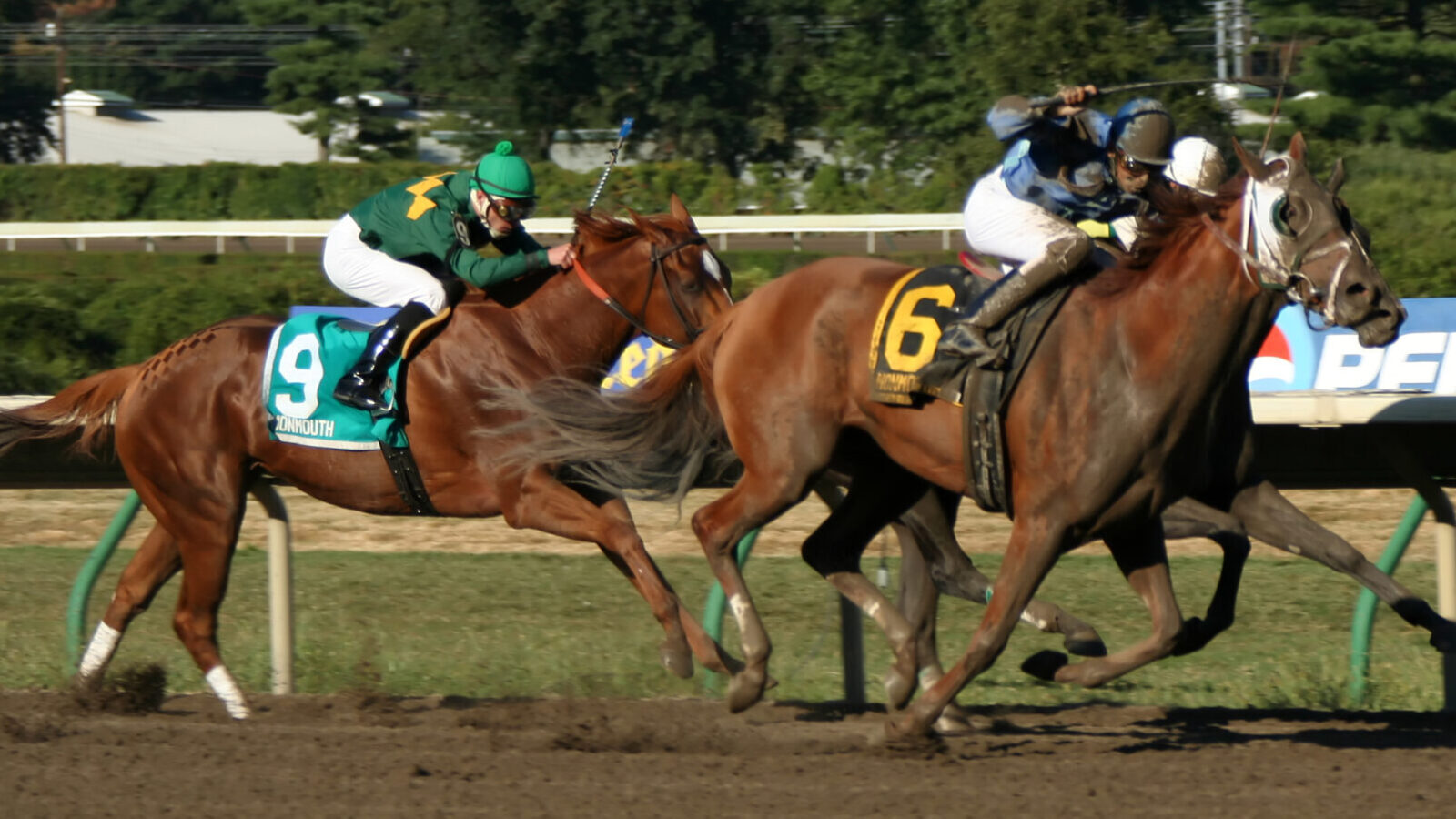
Hawthorne Race Course, which has struggled for years to secure financing in hopes of building a $400 million racino in the south Chicago suburbs of Stickney, filed for a Chapter 11 reorganization in federal Bankruptcy Court in Chicago on Friday.
In the filing, Hawthorne Race Course lists estimated assets between $50 million and $100 million, estimated liabilities between $100 million and $500 million, and an estimated number of creditors between 200 and 999.
“This is a difficult day for Hawthorne and for my family, which has owned Hawthorne for four generations over 117 years, but filing for reorganization is the right thing to do for the Illinois horsemen and for our employees and their families,” said Tim Carey, president and CEO of Hawthorne Race Course, in a statement.
Hawthorne Race Course was granted “preliminary suitable” status by the Illinois Gaming Board in July 2020 to build the racino and had begun construction work at the venue that included clearing out the first-floor area. But little progress had been made since that point, as Carey tried to find willing partners to build out the racino.
The financing problems prior to the filing reached a peak in late January, when the Illinois Racing Board suspended Hawthorne’s harness racing license after finding the track failed “to provide documentation demonstrating its financial integrity.”
Fanatics tops the list of creditors
Hawthorne’s Chapter 11 filing lists six creditors with $1.2 million or more worth of unsecured claims. Fanatics tops the list at $8.75 million. Fanatics’ predecessor PointsBet had entered the Illinois mobile sports betting marketplace through Hawthorne and was granted a license in July 2020.
Fanatics purchased PointsBet’s U.S. business operations for $225 million in June 2023 and began a state-by-state transition that eventually reached Illinois in April 2024.
Shortly after Hawthorne’s harness racing license was suspended in late January, Fanatics switched its mobile tether in Illinois from Hawthorne to Penn Entertainment-owned Argosy Casino in Alton.
In his declaration, Carey noted, “The termination of internet and mobile sports wagering by HRC’s sports wagering partner and the discontinuation of certain simulcast wagering arrangements by other horse racing tracks throughout the United States” led to litigation and money judgements against the track.
Carey’s declaration claims there is “substantial interest from potential buyers and recapitalization partners,” thanks to the opportunity to complete the racino. Additionally, Carey says the track can help pay to reactivate simulcast signals for off-track betting that generates an estimated $4 million in monthly revenue.
In other Illinois gambling news
The Illinois Gaming Board approved Boyd Gaming’s proposed $160 million renovation of Par-A-Dice Casino in East Peoria at a special meeting Thursday. The special meeting was required after the IGB tabled the motion at its Feb. 5 meeting.
The renovation has been a point of contention between East Peoria and Peoria, with the latter claiming that the terms of an intergovernmental agreement between the two parties required building any land-based casino in Peoria.
The tabling of the motion was due to the question of whether Boyd’s decision to move the casino floor to a moored barge over the Illinois River changed the status of “final consideration.” The city of Peoria voluntarily dropped its lawsuit against Boyd and the IGB following the shift of the gaming floor.
Boyd Gaming Counsel and Executive Vice President Uri Clinton reaffirmed that the switch would not alter the estimated economic impacts from the gaming, but stated, “What does change are the amenity package and the ability for us to maximize the opportunity that the Illinois Gaming Board has provided us as a licensee.”
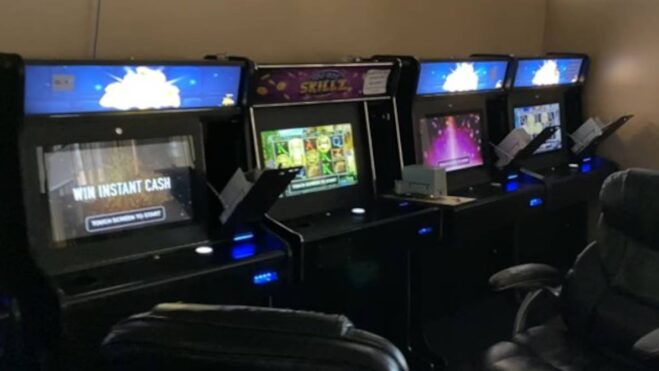
Also on Thursday, the IGB began accepting applications from Chicago-based businesses to operate video gaming terminals. Two days prior, Chicago City Clerk Anna Valencia notified the state it had indeed legalized VGTs as part of its 2026 budget.
Mayor Brandon Johnson, who opted to let the budget become law without signing it after a faction of City Council wrested control of the process from him, had not sent notice in hopes of getting aldermen to change their mind on the matter. Alderman Anthony Beale, who began the push to legalize VGTs last fall, aggressively pursued the matter through the City Council and said he was willing to bypass Johnson’s office to send the official certification letter to the IGB and Gov. Pritzker’s office.