Indiana Bill To Ban Sweepstakes Casinos Heads To Governor’s Desk
Hoosier State legislators await Gov. Braun’s yea or nay on banning sweeps

1 min
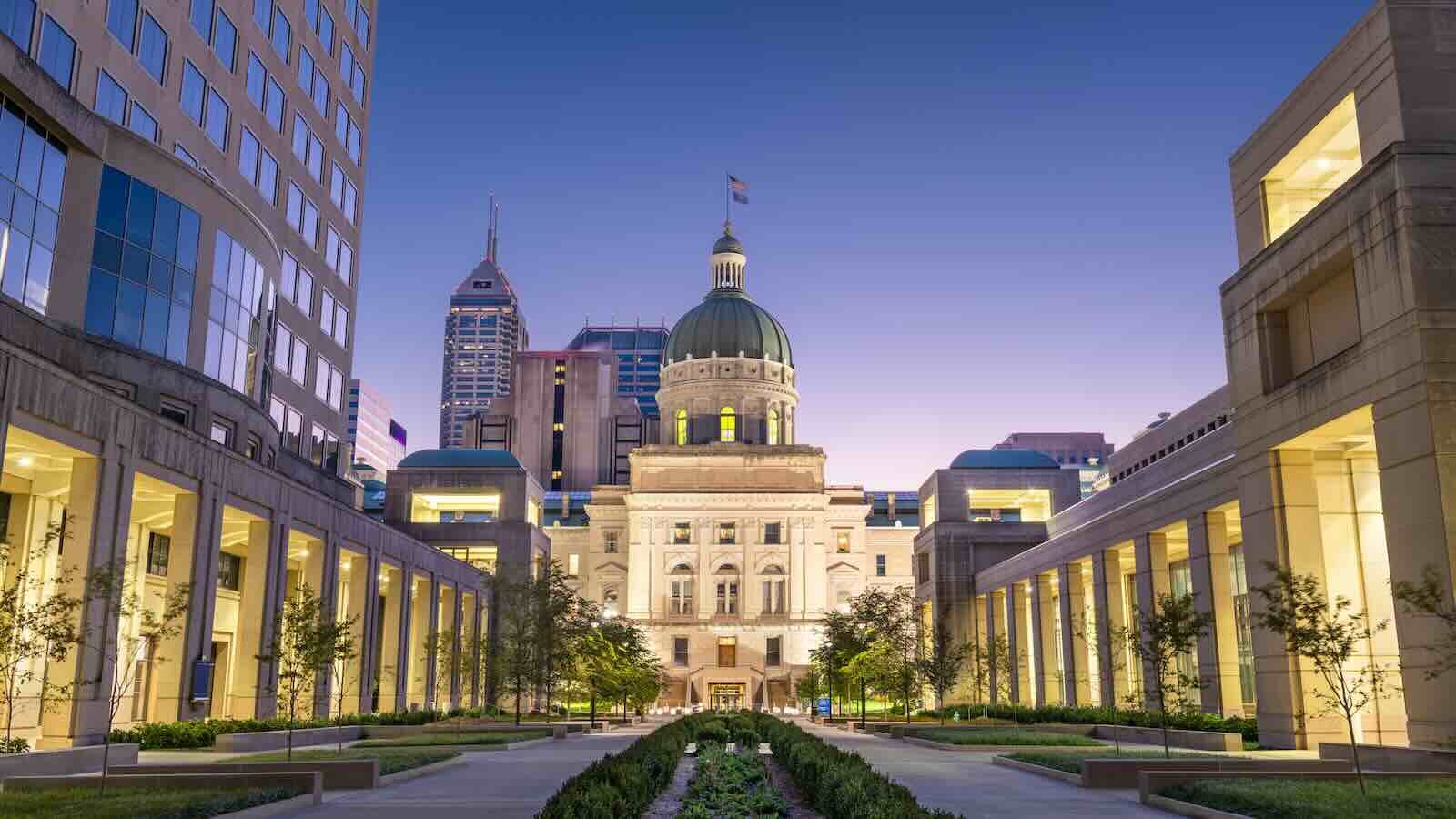
Indiana is a governor’s signature from banning sweepstakes casinos after the House and Senate’s Conference Committee was able to come to agreement late last week on all language in HB 1052.
If Gov. Mike Braun signs the bill, it would give the Indiana Gaming Commission the authority to send cease-and-desist letters to operators and impose fines of up to $100,000 per violation. Braun has seven days to either sign or veto the measure, though it can also become law without his signature after those seven days.
The bill would further the momentum anti-sweeps legislators found across the nation in 2025, when six states passed bills banning sweeps. Large-market states New York, New Jersey, and California were among them, though there is now a bill in the New Jersey General Assembly that could lead to replacing that ban by amending legislation and regulating the sweeps industry.
Legislative refresher
HB 1052 establishes definitions of a sweepstakes game and the civil penalties for violating state law. Rep. Ethan Manning, who authored the bill, stripped a provision from the legislation that called for criminal penalties for violators.
It defines a sweepstakes game in the bill as a game, contest, or promotion that “utilizes a dual-currency or multi-currency system of payment,” in which a player can exchange currency for a “cash prize, cash award, or cash equivalents; or a chance to win a cash prize, cash award, or cash equivalents.”
The conference committee agreed on language specific to sweeps operators to focus on “dual-currency” or “multi-currency” systems and authorize the IGC’s power to send cease-and-desist letters. Both chambers passed the new-look versions of HB 1052 by overwhelming margins — 68-21 in the House and 46-4 in the Senate.
The bill heading to Braun’s desk leaves little chance for the Social Gaming Leadership Alliance’s (SGLA) hopes for this to be a regulated industry in the Hoosier State. The SGLA proposed a regulatory framework it claimed would generate $20 million in new annual revenue for the state.