Omnibus Gambling Bill Advances In Florida
HB 189 would crack down on illegal slots, also impacts using insider info to make sports bets

2 min
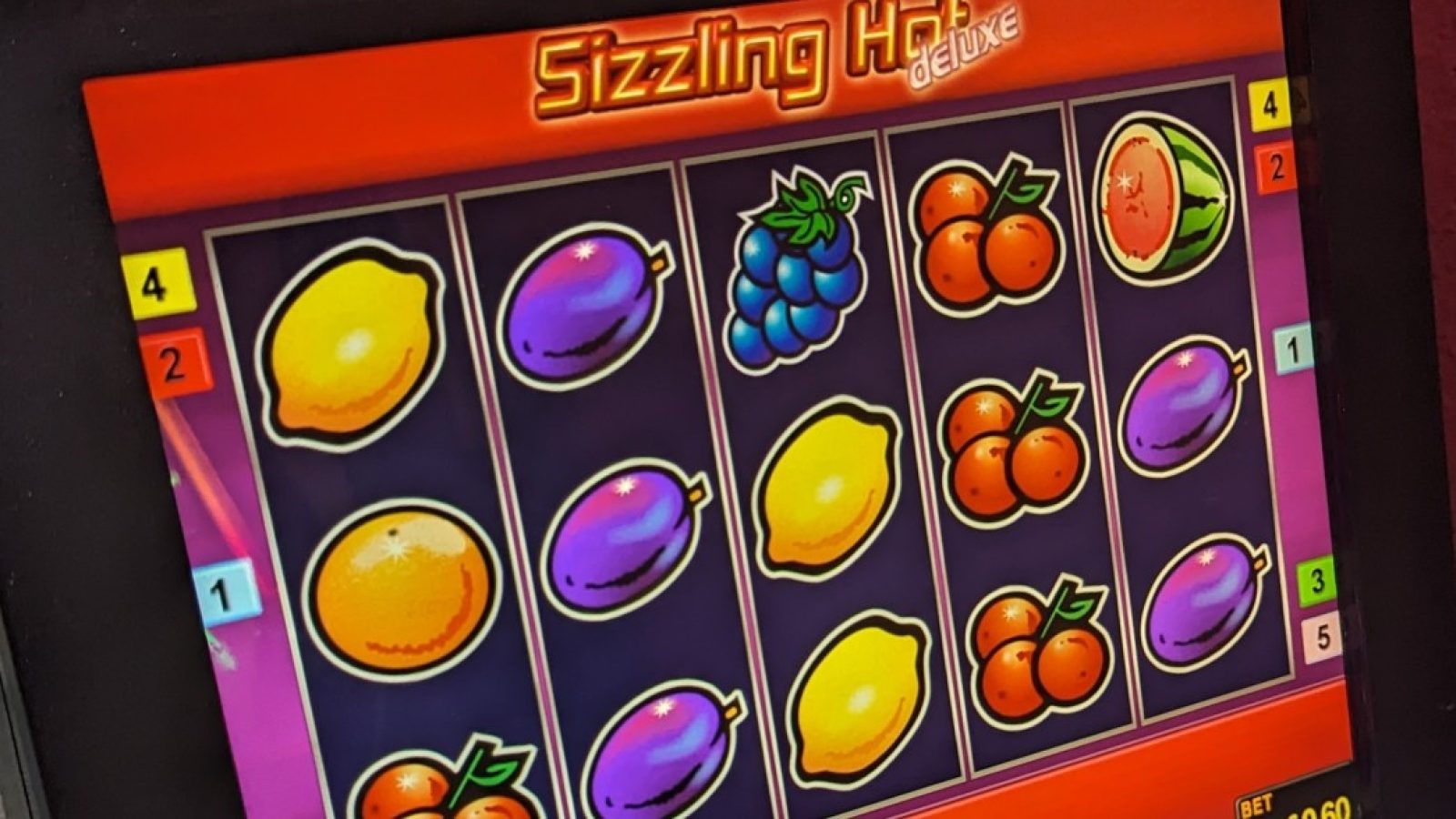
HB 189, a sweeping gambling bill addressing illegal slot machines, parimutuels, and sports betting corruption, advanced, 13-4, from the Florida Legislature’s Criminal Justice Subcommittee on Wednesday.
The bill, proposed by Republican Rep. Dana Trabulsy, was mostly greeted by the subcommittee, although several members, particularly Democrat Mike Gottlieb, sought new wording to protect what they felt could be the criminalization of casino operations run by fraternal organizations.
What’s in HB 189
The proposal is a sweeping revision of state gambling laws, including placing requirements on how the Florida Gaming Control Commission (FGCC) reports investigations, and it sets rules for members’ employment involvement with gambling companies.
Three key features define the bill:
- Codifies and legalizes daily fantasy sports, where there are now no firm laws in Florida
- Allows certain veterans organizations with alcohol licenses to obtain a “declaratory statement” professing that amusement games on their property are not actually illegal slot machines
- Declares that sharing or using insider information for the purpose of manipulating sports betting outcomes is a third-degree felony
Committee focuses on vet protection
Veterans organizations in Florida often utilize slot-like machines they deem “amusement games” as a source of revenue and entertainment. The FGCC has found these devices in numerous cases to be illegal slot machines, which in the past has led to raids.
“What we’re trying to do here with our veterans is give them an outlet. A lot of them have slot machines in their locations. And they are just not legal,” Trabulsy said in the hearing. “They’re not. So this is giving an avenue for them to be able to go to the commission and ask for a declaratory statement, whether it is a legal amusement machine for their facility or not. They’re still not going to be allowed to use an illegal slot machine. But the declaratory statement will actually let them know if what they are using is considered an amusement machine and not gambling.”
HB198-FloridaTrabulsy added: “The intent of this bill is to really lock down on the bad players. And the bad players are the people that are setting up shop in Leon County in a boarded-up Jimmy John’s. The point of this bill is not to go after the people that have served our country and that are in American Legions, or VFWs, or Moose Lodges. But we also want to make sure that we give them the avenue of a declaratory statement, which we have, if they ask for it.”
Possession of an illegal slot machine would be a second-degree felony under HB 189.
Gottlieb asked Trabulsy if she would be “amenable” to tweaking the bill to make not-for-profits exempt, prompting Trabulsy to respond, “So let me just get this straight: I want to make sure I’m answering it correctly on the record. So what you’re saying is you would have this statute, felonies in place, the way we want to get the bad guy, but you want to say, if a non-profit is operating illegal gambling machines, that they would be exempt from the penalty?”
“That’s exactly what I’m saying,” Gottlieb responded. “So we’re talking about the VFW Halls and the American Legions, and those are not-for-profit organizations. I don’t think most people go to gamble to win. They go for the camaraderie. They spend the time there. And I think they know that they are enriching the not-for-profit house, if you will.
“And I don’t think that that’s who you intend to target, but could be swept up in this. … I don’t think we need to spend our time looking at the not-for-profit halls. So if we could just exempt not-for-profit organizations, I think it would be a change that fills a lot of the heartache that we’ve had.”
The criminalization in HB 189 of possession of the parts that constitute an illegal gambling device was also criticized by Jon Zachem, a lobbyist for the Amusement Machine Association of Florida. Zachem disagreed with the expansion of definitions, asserting that basic parts such as screens also are used in traditional video games.