Florida Omnibus Gambling Bill Fails In House
Sweeping bill that would have touched multiple facets of gambling fizzles as session ends

2 min
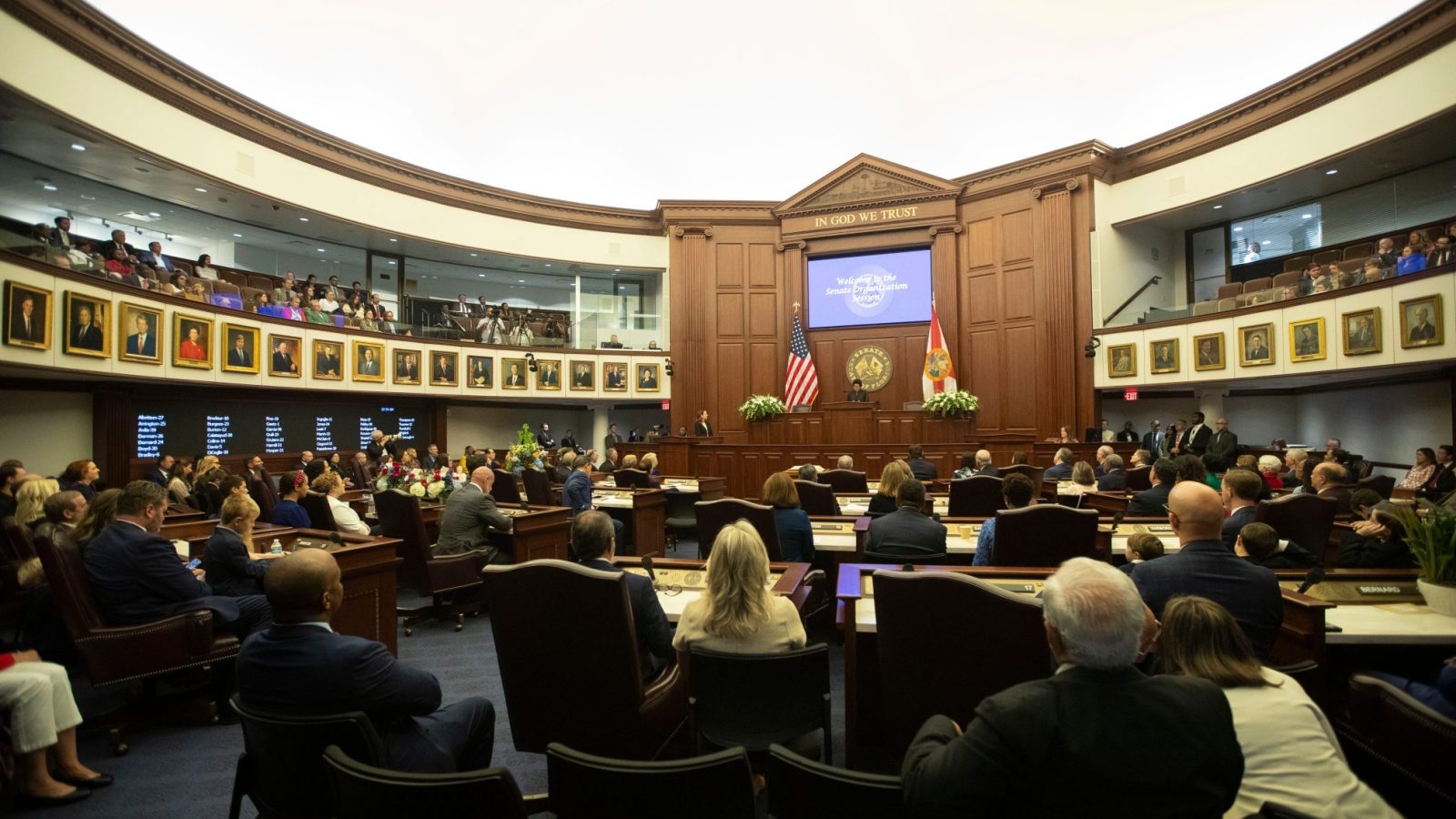
Florida’s HB 189, a sweeping proposal that would have altered the regulation of slot machines in fraternal organizations and modified the language used to combat offshore and sweepstakes casinos, faltered as the Florida legislative session ended last Friday.
The bill was one of four involving gambling regulation this session that failed. Another that will revise current law to categorize illegal gambling houses as public nuisances passed both chambers.
HB 189, sponsored by Fort Pierce Republican Dana Trabulsy, advanced through three committee hearings, but ran out of time as legislators grappled with how the bill would alter the regulation of “amusement” slot machines in the state. Trabulsy amended her bill on March 11 — none of the amendments involved the slot machines in question — before it was tabled in deference to a similar bill, CS/CS/SB 1580, in the Senate. That revision was not addressed before the session ended.
Debate over HB 189 in committee hearings suggests that language in the bill that could have taken slot machines away from fraternal organizations like VFWs was too distasteful politically for lawmakers.
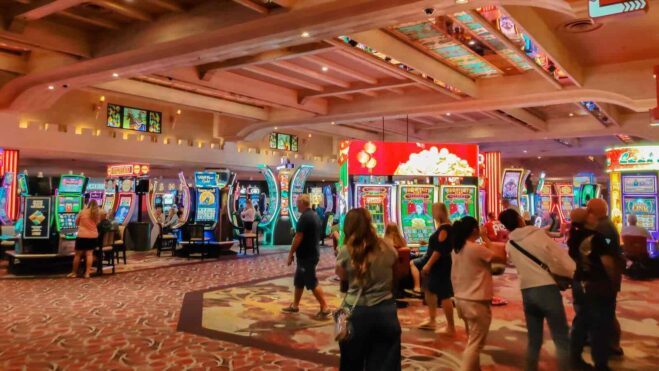
The Seminole tribe and a small group of South Florida pari-mutuel outlets are legally allowed to offer Vegas-style slot machines in the state, but gray-market options abound in so-called “arcades” and fraternal organizations.
Key points of HB 189:
- Defined “Internet gambling” as playing or engaging “in any game in which money or other thing of value is awarded based on chance, regardless of any application of skill, that is available on the Internet and accessible on a mobile device, computer terminal, or other similar access device and simulates casino-style gaming, including, but not limited to, slot machines, video poker, and table games.” This appeared to target both offshore websites and sweepstakes casinos.
- Expanded criminal penalties for illegal gambling to a third-degree felony
- Strengthened oversight and ethics requirements applicable to the Florida Gaming Control Commission
- Tightened licensing and ownership disclosure standards
- Regulated and authorized fantasy sports contests
- Prohibited Florida Gaming Control Commission members from accepting certain gambling-related jobs within a given timeframe
Regulation of amusement slots tricky
Though HB 189 included language that addressed many facets of gambling in Florida, including online casino — which isn’t legal in the state — the policing of slots was the main topic of interest in subcommittees, where lobbyists and legislators fretted over the impact. HB 189 would have allowed organizations to petition the Florida Gaming Control Commission (FGCC) to assure the legality of their machines as “amusement games,” without criminal penalty. But because almost all of them would be deemed illegal, according to attorney and gambling expert Marc Dunbar, pushback was persistent and strong.
Fort Myers Republican Jonathan Martin, the sponsor of CS/CS/SB 1580, attempted to explain a contentious passage in his bill in a committee hearing in February, saying: “[The bill provides] the ability for somebody who’s engaged potentially in a crime to walk down to law enforcement, the gaming commission, and say, ‘Tell me if I’m committing a crime.’ And then if you believe I’m committing a crime, I’m not going to be in trouble as long as I get rid of this illegal device. Imagine a drug dealer walking down to the police department and saying, ‘Hey, is this cocaine that I plan on selling? If it is, don’t arrest me. It’s yours.’ Frankly, it doesn’t exist anywhere else in law. But we put that compromise in there because we, as a body, didn’t want to go after veterans. That’s not the goal of this.”
HB 591, which also would have revised the reporting and policing procedures for the same type of slot machines, never advanced from the Industries & Professional Activities Subcommittee.