Maine Becomes Eighth State To Legalize Online Casino
Despite the gaming control board opposing, Gov. Janet Mills allows state’s tribes to handle iCasino

2 min
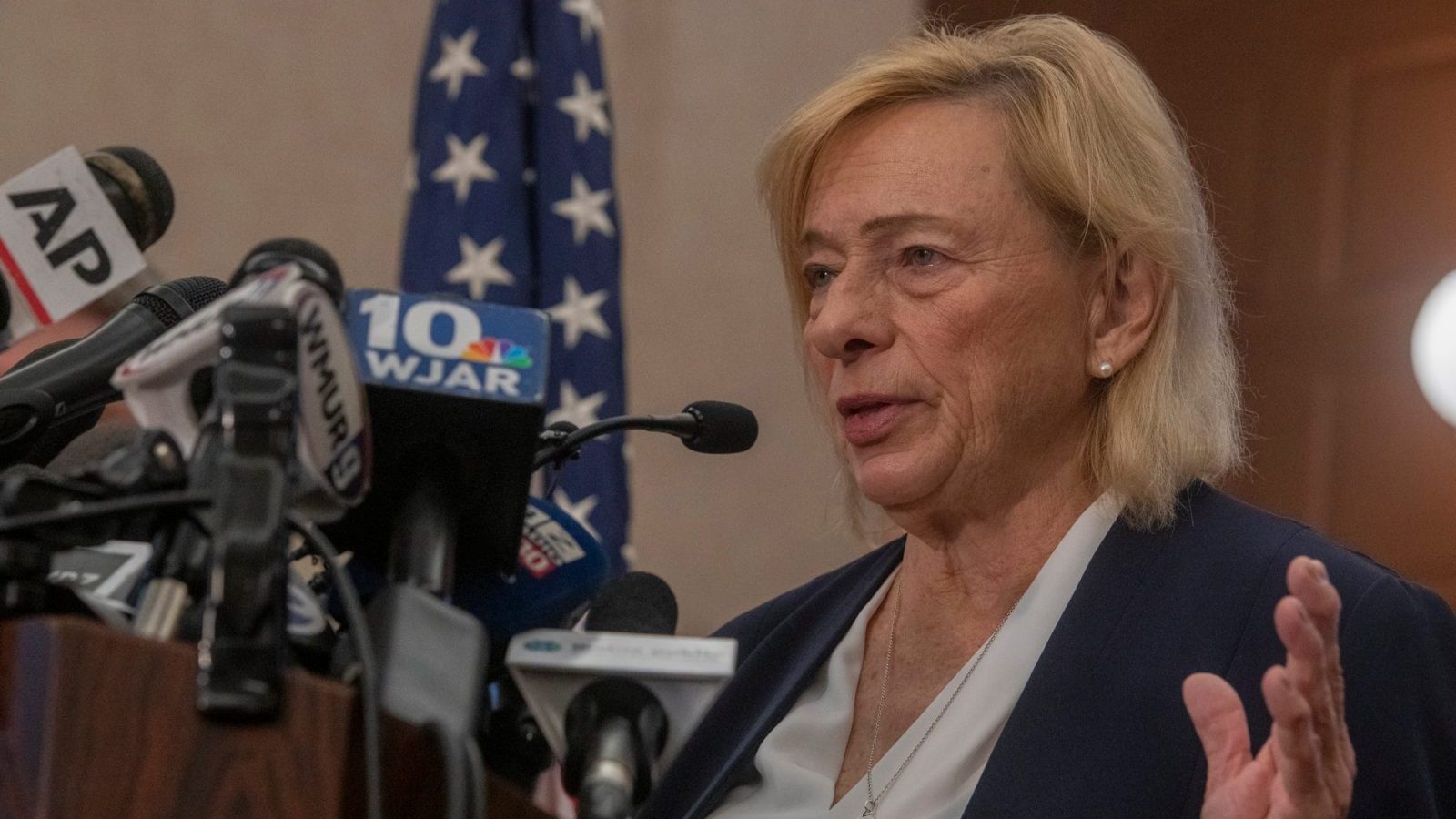
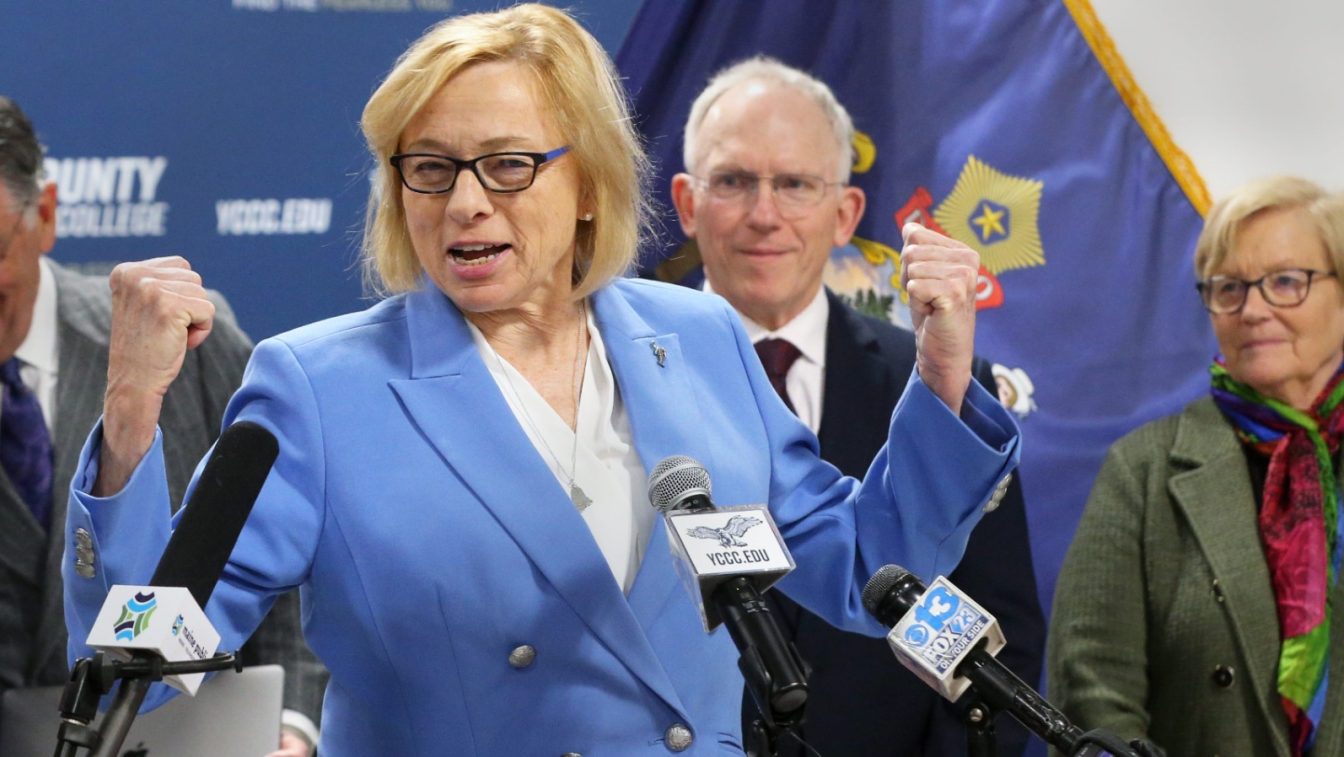
Maine will become the eighth state to offer its residents regulated real-money online casino, as Gov. Janet Mills announced Thursday she will allow LD 1164 — “An Act to Create Economic Opportunity for the Wabanaki Nations Through Internet Gaming” — to become law.
As a result, the Penobscot Nation, Passamaquoddy Tribe, Aroostook Band of Micmacs, and Houlton Band of Maliseet Indians will be allowed to exclusively operate online casino platforms in the state. Each tribe could partner with a single licensed platform provider, with licenses costing $50,000 annually. According to Maine law, the tribes will be able to offer online casino 90 days following the adjournment of the upcoming legislative session.
“This fall, I met with the five elected Chiefs of the Wabanaki Nations, who each spoke passionately about the importance of this bill in offering life-changing revenue for Tribal communities, as well as providing a form of economic sovereignty for their Nations,” said Mills in a statement. “I considered this bill carefully, and while I have concerns about the impacts of gambling on public health, I believe that this new form of gambling should be regulated, and I am confident that Maine’s Gambling Control Unit will develop responsible rules and standards to hold providers of this new form of gambling accountable while ensuring that Maine’s tribes benefit from its operations. It has always been my strong desire to work with Tribal leaders to improve the lives and livelihoods of the Wabanaki Nations, and it is my hope that this new revenue will do just that.”
Leaders of the tribes were pleased with the result.
“Governor Mills’ support for historic advances in tribal economic development, particularly her decision to allow LD 1164 to become law, marks an economic turning point for the Passamaquoddy people and for all Wabanaki Nations,” said Chief William Nicholas Sr. of the Passamaquoddy Tribe at Indian Township. “Before this, the Governor supported launching Maine’s mobile gaming market with a model based on Wabanaki ownership and key tax law changes that promoted economic growth at the Tribal nation, individual, and household levels. Our economies are undoubtedly stronger due to positive state policy changes under Governor Mills.”
There is also loud dissent
Not everyone is thrilled with Mills’ decision.
The National Association Against iGaming (NAAiG) issued a press release, saying the group was “deeply disappointed” Mills did not veto the bill.
“This decision represents a clear break from the Governor’s previously stated position and disregards overwhelming public opposition, expert warnings from her own regulators, and a proven gaming framework that has delivered meaningful benefits to Maine communities and tribal nations for more than a decade,” the NAAiG’s statement read, in part.
Last month, the Maine Gambling Control Board sent a letter to Mills, asking her to veto the bill.
One major reason the board was against the bill was due to the fact that the existing brick-and-mortar casinos in Maine are not part of the deal.
“Cutting out Oxford and Hollywood Casinos entirely from offering iGaming is ill-advised and creates a monopoly that is harmful to consumers and the Maine workers employed by Oxford and Hollywood Casinos,” the board wrote in its letter to the governor.
In the end, though, Mills concluded the state would be best served by the tribes handling iCasino.