Maryland Internet Casino Bill Takes On Pro-Labor Focus
SB 885 also calls for voters to decide on legalizing iGaming in November referendum
1 min
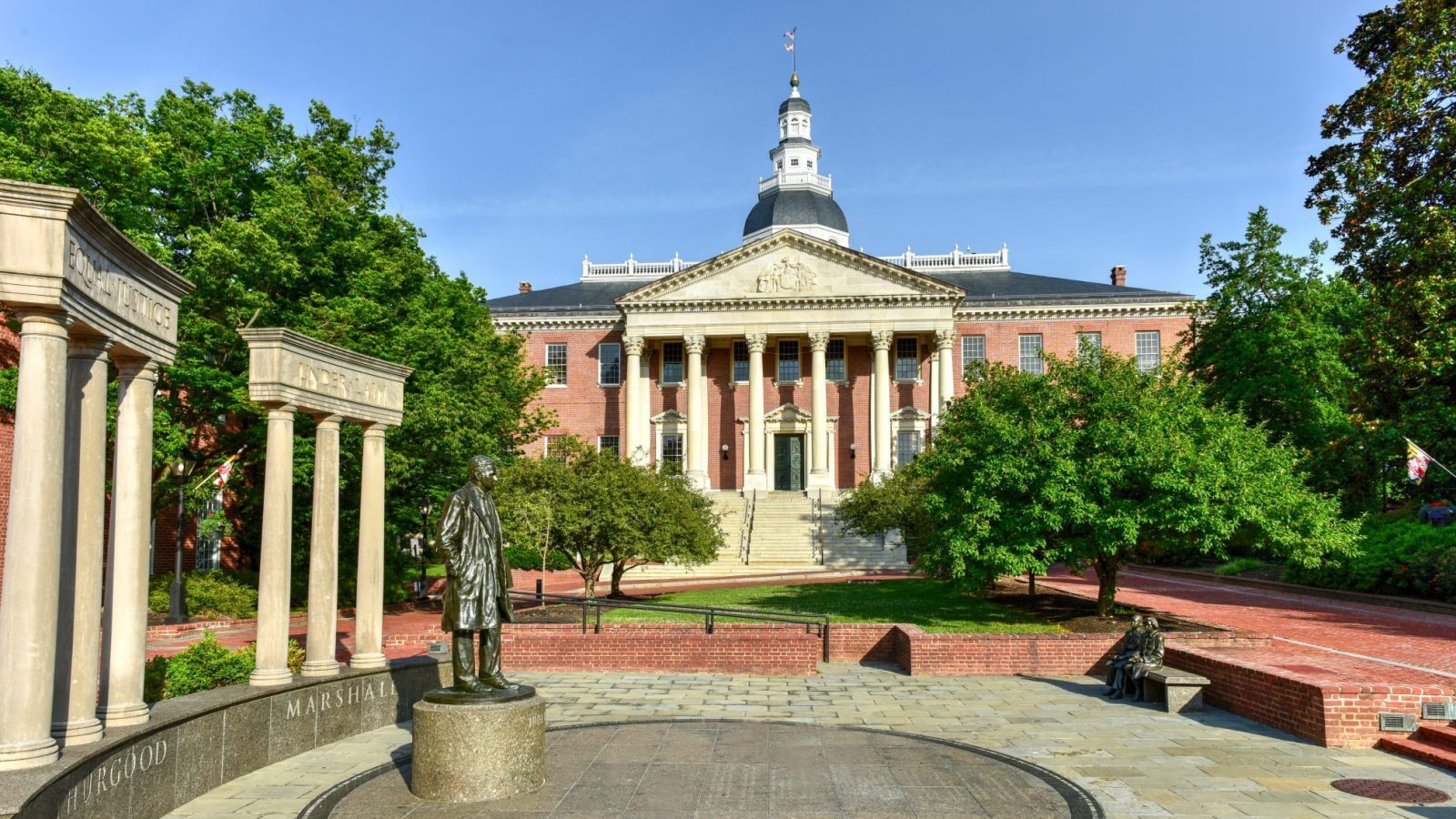
Maryland state Sen. Ron Watson has made addressing cannibalization concerns one of his primary legislative planks in his push to legalize internet casino gaming in the Old Line State.
SB 885, which got its first reading Feb. 6 in the Budget and Taxation Committee and is currently scheduled for a March 11 hearing, would put legalizing the gaming vertical in the hands of the voters via referendum in November. Maryland lawmakers made a concerted effort to legalize iGaming last year, but bills in both the House and Senate stalled.
Additionally, a failed attempt to ban sweepstakes casinos diverted momentum before Gov. Wes Moore ultimately opted to find budget funds by raising the sports betting tax rate from 15% to 20%.
Watson sponsored similar legislation last year that was met with challenges from the opposition, despite the inclusion of a $10 million displacement fund. This year, the state senator, who represents Prince George’s County, made some adjustments.
The fund is still there, and more
Watson retained the $10 million Video Lottery Facility Employee Displacement Fund, which would be in place for the first 12 months after legalization. Critics last year charged the fund was all but a concession that cannibalization would occur.
A new addition is the requirement for an applicant to provide “clear and convincing evidence” that unless a collective bargaining agreement is already in place, “the applicant, licensee, or live dealer studio operator has entered into a labor peace agreement with each labor organization that is actively engaged in representing or attempting to represent internet gaming industry workers in the state, including dealers conducting live dealer games.”
Further, the labor-peace agreement must “protect state revenue by prohibiting labor organizations” from any forms of work stoppages related to the operation of internet gaming for the first five years after the effective date of the issued license. The licensee must also remain neutral regarding who is selected as a “collective bargaining agent.”
Live dealer incentive
Watson’s bill offers a 50% discount on a license fee for internet casino operators who offer solely live dealer games to $500,000. Operators would also have to construct their studios in the state of Maryland and commit to a minimum $5 million spend on the facility to qualify for the discount.
Operators would face a 20% tax rate on revenue generated from live dealer games compared to 40% from all other methods of internet casino gaming.
The bill looks to add another layer of protection for brick-and-mortar gaming venues with annual economic-impact studies. Those would examine iGaming’s effect on “video lottery facilities, other gaming venues, and ancillary businesses that surround those video lottery facilities and gaming venues.”
Watson’s decision to separate online poker (SB 884) from internet casino gaming could also prove pivotal in the bid for legalization. The decoupling would allow Maryland Lottery and Gaming to enact different regulatory standards for live dealers in casino play versus the customary peer-versus-peer nature of online poker.