Maryland Lawmaker Introduces Online Casino Bill
The bill also includes bingo, and there is a separate bill for poker, as other states also move to ban sweepstakes and put an end to push notifications

1 min
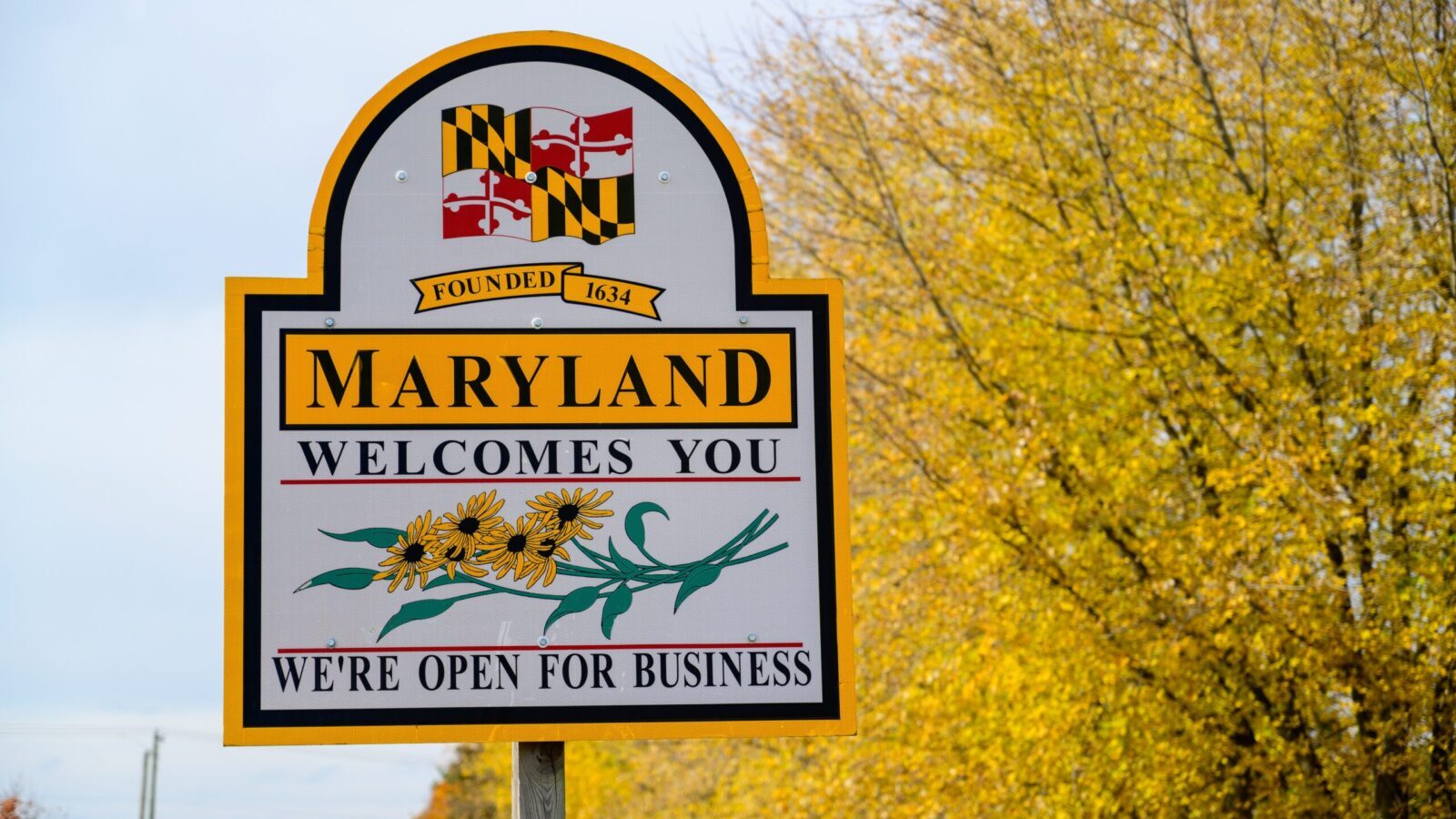
One lawmaker is trying to put Maryland next in the queue when it comes to legalizing online casino.
Maryland Senate Bill 885, introduced by Sen. Ronald Watson last Friday, would legalize online casino and online bingo statewide, but not without voter approval first. The bill would put the question to Maryland voters in a November 2026 referendum, asking whether they favor expanding commercial gaming “for the primary purpose of raising revenue for education.”
If voters say yes, the state lottery and gaming control commission would oversee licensing and regulation.
While proposed standard initial license fees are at $1 million for internet gaming and $500,000 for online bingo, the bill includes provisions for social equity. Applicants meeting specific minority-owned or social equity criteria would see those fees reduced to $500,000 and $250,000, respectively.
The financial structure allows operators to retain 80% of profits from live dealer games and 60% from other internet gaming activities. The state’s portion is earmarked heavily for the Blueprint for Maryland’s Future Fund, which supports statewide education initiatives, alongside allocations for problem gambling services and small business accounts.
Watson also introduced a separate bill to legalize online poker.
NJ bill targets push, no tush
In New Jersey, state Sen. Andrew Zwicker is leading an effort to limit how gambling platforms interact with users’ mobile devices. The proposed legislation, filed Monday, seeks to ban casino and sports betting operators from using push notifications or text messages to solicit bets or deposits.
The bill specifically targets those notifications, which it defines as automatic electronic messages that appear on a device even when the gambling app is not open. Under the proposed rules, any licensee found in violation of this marketing ban would face a minimum fine of $500 per offense.
Sweeping under the rug
Recent legislative sessions in Virginia and Indiana revealed a growing divide in how states handle sweepstakes.
In Virginia, a proposed sweepstakes ban got pushed back Wednesday. Sen. Bryce Reeves’ SB 579 was rewritten in the Senate Courts of Justice Committee to drop an immediate prohibition and instead direct the Virginia Lottery Board to create a working group to study online sweepstakes and report back by Dec. 1, 2026. The committee voted 14-1, effectively kicking any ban debate to 2027, according to an SBC Americas report.
Indiana, however, is moving faster to ban sweepstakes. HB 1052, which would effectively ban the sweepstakes model, passed out of the Senate Public Policy Committee, 8-0, Thursday. It previously passed the House 86-12. SBC Americas reported that some lawmakers discussed regulating and taxing sweepstakes instead of banning them, but the bill continues to move as a ban.
It was also amended to reduce penalties from criminal to civil violations.