Maryland Lottery Makes Legislative Push To Ban Sweeps
State agency looking to succeed where legislators could not in banning sweeps operators

2 min
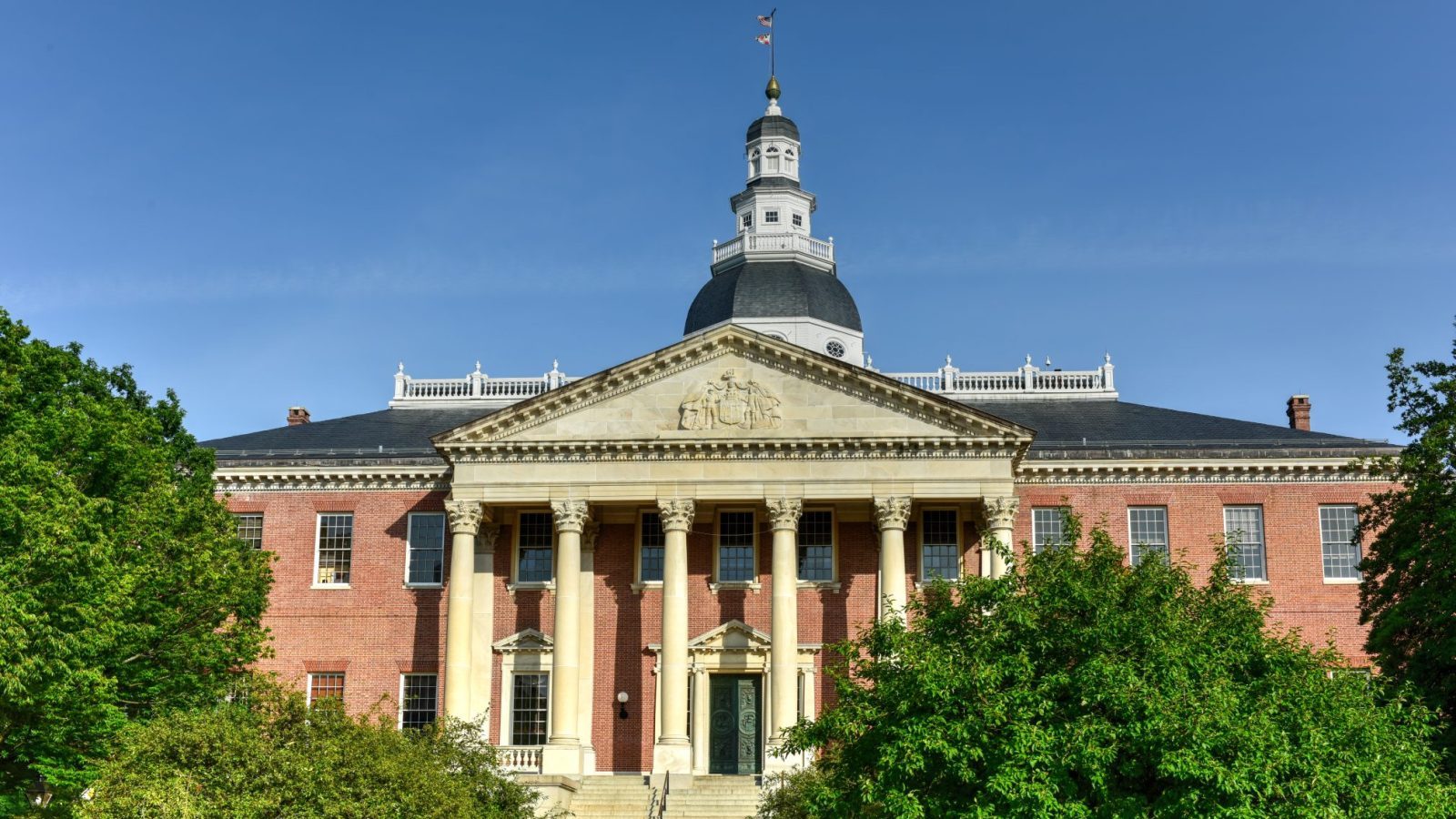
Maryland Lottery and Gaming is making a legislative push to ban sweepstakes casinos, sponsoring legislation in both the Senate and House.
The move by the state agency comes after similar efforts from legislators stalled in the House last year. While SB 0860 easily passed through the upper chamber’s Budget and Taxation Committee and the full Senate, the House’s Ways and Means Committee never brought the companion bill, HB 1140, up for a vote.
The filings come as state legislatures are again targeting online sweeps after robust success in 2025. Six states, including California, New York, and New Jersey, passed bills banning such operations. Legislators in Virginia have submitted bills looking to both ban sweeps and legalize internet casino gaming.
A Cajun precedent?
The consistent language used by legislators who were successful in banning sweepstakes casinos was operators’ use of a “dual-currency” model. In dual-currency, people use “sweeps coins” gifted with the purchase of social “gold coins.” Those gold coins can also be obtained for free via login bonuses and mail-in requests, and after playing through those gold coins, the sweeps coins can be redeemed for cash prizes and gift cards.
The language in the bills submitted to both Maryland chambers — HB 295 and SB 112 — makes no specific mention of the dual-currency model. Instead, the bill puts the onus on existing licensed or potential operators to have no contact with sweeps operators and their affiliates.
“FOR the purpose of prohibiting certain persons from operating, conducting, or promoting certain interactive games; requiring certain license applicants and licensees to report to the State Lottery and Gaming Control Commission any business relationship with certain persons known to support, operate, conduct, or promote certain interactive games”
Lottery and Gaming would be “required to deny certain license applications and revoke certain licenses under certain circumstances,” which extends to “prohibiting the Commission from issuing a license to certain persons or allowing the person to commence or continue operations if the person or an affiliate of the person knowingly accepts revenue that is directly or indirectly derived from certain jurisdictions.”
Including “affliates” as a means of banning sweeps operators was attempted last year in Louisiana by Sen. Adam Bass. That bill, passed unanimously in both the House and Senate in the Pelican State, threatened fines and jail time for suppliers and providers in addition to operators.
It was eventually vetoed by Gov. Jeff Landry, who felt that the Louisiana Gaming Control Board could take care of such business. The state’s Attorney General Liz Murrill declared sweeps illegal via written opinion last July, which led the Department of Revenue to sue operators VGW and WOW Vegas in September for nearly $45 million in taxes, interest, and unpaid penalties.
Looking back at last year
Legislation to ban sweeps filed by Maryland Delegate Eric Ebersole was rebutted in testimony to the Ways and Means Committee by Josh White, who spoke on behalf of sweepstakes operator VGW, and attorney Jeff Ifrah, representing the Social and Promotional Games and Association (SPGA).
The pair argued the legislation was too broad and would have unintended consequences for non-gaming companies that utilize sweepstakes promotions as part of their marketing efforts.
Should the bills submitted by Lottery and Gaming be heard in committee, sweeps proponents would likely point out that the language could punish suppliers and payment processors already licensed in the state similar to Ebersole’s bill.
Sweeps operators rebranded their games to “Social Plus” late last year under the Social Gaming Leadership Alliance (SGLA), claiming operators and platforms are “equipped with robust consumer protections, including age and identity verification, responsible social gameplay tools, geolocation, and secure handling of consumer data.”
The SGLA has been seeking ways to bring legislators to the negotiating table in hopes of being a regulated industry that would eventually pay state taxes. That, however, failed to yield any positive outcomes in 2025.