Oklahoma Governor Vetoes Bill To Ban Sweeps
Gov. Kevin Stitt vetoed a bill that had strong support in the legislature to ban dual-currency casinos in Oklahoma.

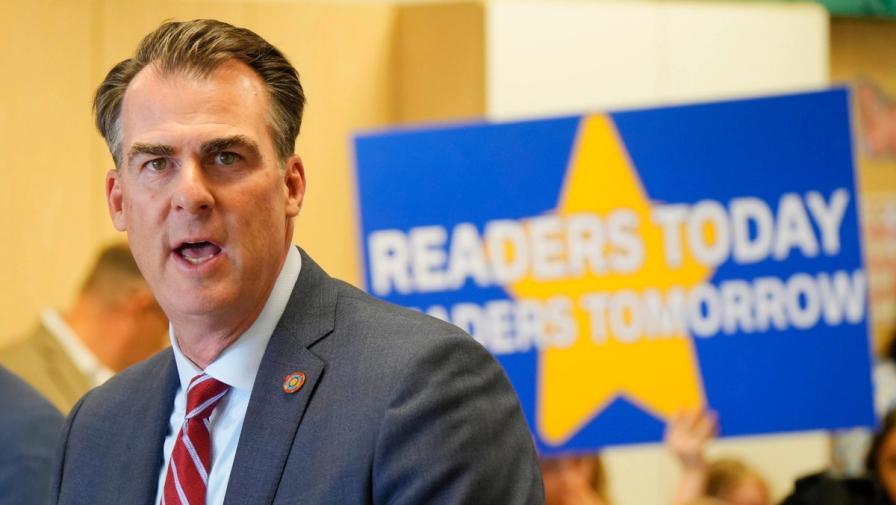
Sweepstakes-style casinos scored a rare win this week when Oklahoma Gov. Kevin Stitt vetoed a bill intended to outlaw the dual-currency casinos.
Senate Bill 1589 was an overwhelming hit in the Oklahoma Legislature, with the House passing the ban by a 65-21 vote last week. This came on the heels of a 48-0 vote in the Senate.
SB 1589 was written as a fairly standard sweepstakes-casino ban: define the activity, then attach criminal penalties. The bill defined “online casino games” as internet-accessible games that, after a player risks a “representative of value,” simulate slots, lottery, bingo, U-PIK-EM bingo, or other gambling activity already prohibited under Oklahoma law.
The key phrase was “representative of value.” SB 1589 defined it to include currency used in a dual-currency system that can be exchanged for prizes, cash, cash equivalents, or the chance to win them, which is clearly language aimed squarely at the sweepstakes-casino model.
The bill also went beyond operators. Its penalties would cover owners, employees, geolocation providers, gaming suppliers, platform providers, promoters, and media affiliates that dealt or provided support for the games. Violations would have been Class C2 felonies, carrying fines of $500 to $2,000 and prison time of up to seven years.
SB 1589 also would have preserved carve-outs for tribal gaming conducted on Indian lands in compliance with the Indian Gaming Regulatory Act, as well as charitable gaming under the Oklahoma Charity Games Act.
That tribal language made the veto politically notable. The bill was drafted with input from Oklahoma tribes and included a tribe-friendly amendment, even as Stitt has been at odds with tribal interests on sports betting. He said earlier this year he would only sign a sports betting bill that did not involve tribal partnerships, according to SBC Americas.
Other states
Meanwhile, lawmakers in Louisiana and Iowa are considering different paths toward the same goal: Their legislation would give regulators and prosecutors more tools to crack down on sweepstakes-style gambling.
Louisiana’s approach is the harsher of the two. Rather than creating a new standalone offense, HB 53 would add several existing gambling crimes (including gambling by electronic sweepstakes device) to the list of predicate offenses under the state’s Racketeering Act.
That means violations could potentially carry penalties of up to $1 million in fines and as much as 50 years in prison at hard labor. Gov. Jeff Landry vetoed a narrower sweeps bill last year, arguing regulators already had the authority to act, though state regulators later issued cease-and-desist letters to sweeps and offshore operators. A separate bill, HB 883, would more directly classify dual-currency sweeps as illegal gambling.
In Iowa, lawmakers are taking a more regulatory approach. SF 2289 would give the Iowa Racing and Gaming Commission explicit authority to issue cease-and-desist orders against unlicensed operators offering gambling, sports wagering, or illegal sweepstakes products. The bill does not create new criminal penalties, but it would strengthen the state’s enforcement toolbox.

Jeff Edelstein is a longtime columnist, reporter, radio host, and fantasy sports aficionado, not necessarily in that order. He lives in New Jersey with his family.