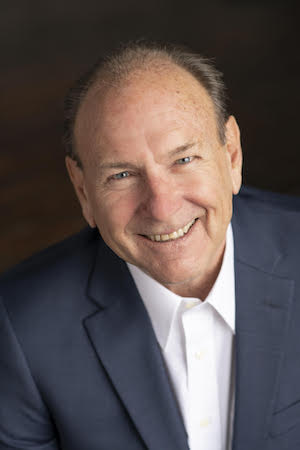
Schuetz: The Missing Element In Casino Regulation And Compliance
If you don’t understand that which you are regulating, how can you hope to regulate it?

5 min
“Insanity is doing the same thing over and over and expecting a different result.”
— Attributed to many
One of the bigger stories in gaming over the last five years has been the failures of gaming regulators and compliance committees. This is especially true out in Las Vegas, where a whole bunch of folks appear to have lost the plot when it comes to regulation and compliance. The record of this period for regulation and compliance is something of a disaster movie, and the only appropriate response for those involved is embarrassment.
Whenever I pen one of these stories, I tend to receive negative pushback from regulators and members of compliance committees. I am either patently unfair, or these folks are overly sensitive souls.
To give my short answer, I think I am right, and that probably comes as no surprise to people who know me. As I am aging through the system, I am beginning to appreciate British anthropologist Robin Dunbar’s notion that, at the end of the day, we really only have about five dear friends.
In working to isolate why I am challenged by the performance of these entities, I have concluded that it is related to the same problem, and that is that they basically do not understand what they are trying to manage.
Experience counts
While a hotel-casino complex is an intricate financial machine, with numerous departments and a wide array of material challenges in financial recording, the regulatory challenges and risks lie within the gaming departments. And it is concerning that, in the gaming departments, neither regulators nor compliance people seem to know how they work — and I mean, how they really work.
I became a gaming regulator in the state of California in 2011 after having spent an appreciable amount of time in the casino industry. My time in the industry began in 1971 as an entry-level dealer and included serving as the CEO of a Las Vegas casino company.
One of the first things I noticed was that no one in the California regulatory environment had a minute’s experience working in a casino. They had been politicians, government employees, law enforcement officers, and so on. I filled a finance-related position. It was therefore no surprise that these people had no earthly idea as to what they were trying to manage.
During breaks in our meetings, I would often be approached to explain a term that came up in a case, as my fellow regulators were not even familiar with the language of a casino floor and didn’t want to admit it in an open meeting.
One of the programs I worked to introduce in California was for each regulator to shadow a shift boss during a weekend shift at a tribal casino or cardroom. They would follow the shift boss around to understand the wide variety of events that fill an eight-hour shift.
When a regulator returned from one of these experiences, they were amazed by the incredible array of issues the shift boss had to address during their eight hours. They would also understand that it was a considerable challenge to gain any insight into what was happening in an environment where hundreds of transactions are taking place simultaneously, involving substantial sums of money and involving a whole bunch of additional people and other moving parts.
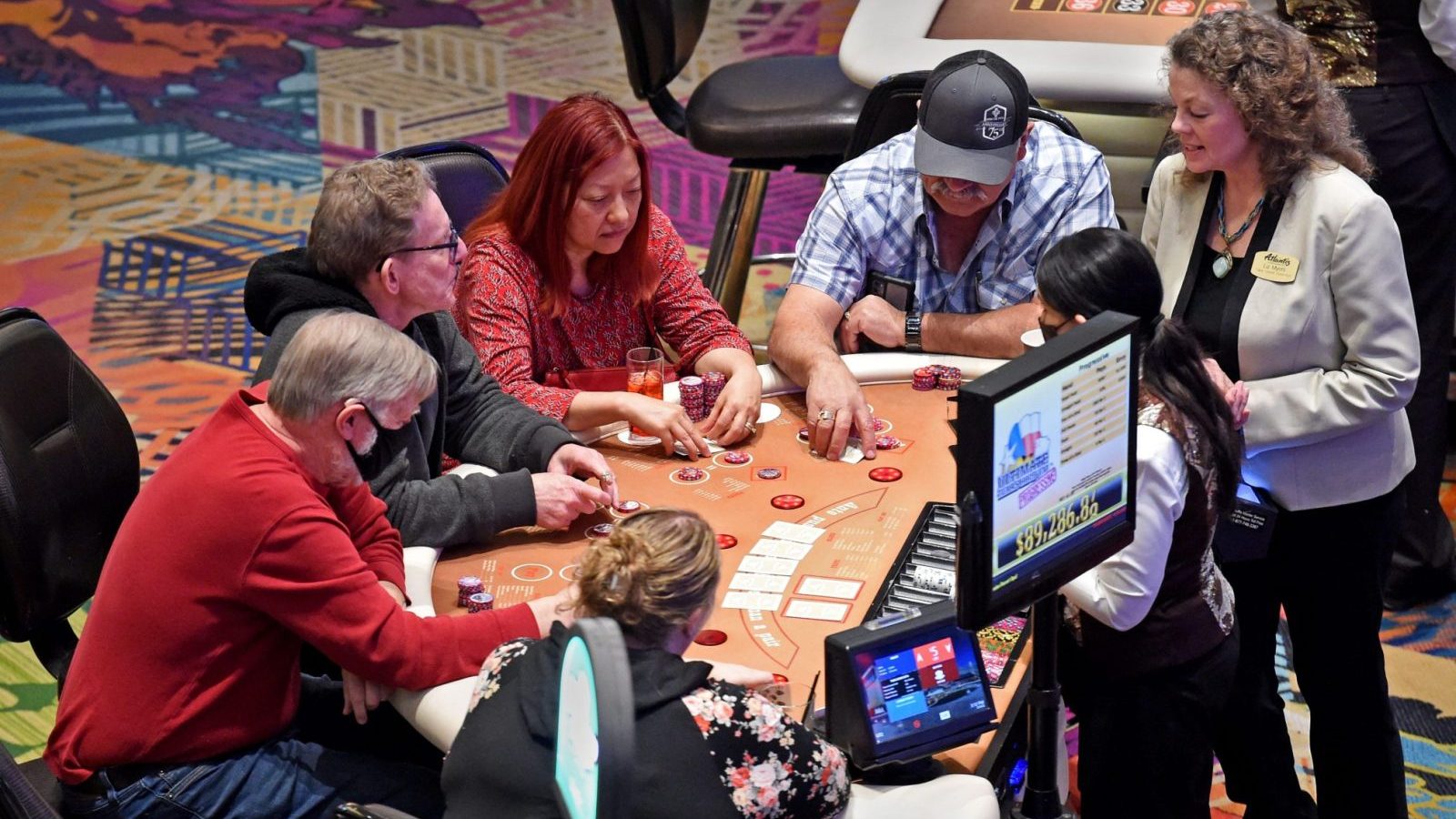
A casino floor is organized chaos, and one needs to see through that chaos to understand which activities should not be taking place.
In short, the regulators who participated in these experiences gained a newfound respect for the complexity of casino operations and learned much from them. I believe that this was the start of making them better regulators.
The last to know? The last to care?
I have found it fascinating when researching the members of casino compliance committees, both at the board level and below, how few have any real experience on a casino floor, and this has been the model for a long time. It is typically lawyers, accountants, and ex-regulators. And no matter what the failures, the same old unaware people keep doing the same old unaware things.
The total breakdown of the compliance function in numerous Las Vegas casinos is unquestionable. The press has been awash in the stories for several years now. Moreover, these breakdowns had persisted for an appreciable period, and there were clear instances in which senior leadership was informed of this reality and apparently did nothing.
I find it absolutely bizarre that a casino player named R.J. Cipriani (a.k.a. Robin Hood 702) was clearly aware of the inappropriate behavior taking place in several Las Vegas casinos, was very vocal about it, and yet nothing seemed to happen until he informed the feds. When a guy is making announcements and writing letters, and the compliance committee has no idea, what more evidence does one need that the compliance function is broken?
The response to this was when the feds busted the joints, or the press reported the nonsense, several casino executives appeared before the Nevada regulators with a pledge to beef up the same old lame compliance apparatus. I suggest that if you keep doing what you are doing, you will keep getting what you have gotten.
I recommend that every casino have at least one member, preferably more, on the compliance side of things, who understands a casino floor. I do not mean a person who worked for a few years dealing cards while securing their education or whatnot, but a person who has been there for 20 or more years in advancing positions. A person who understands each layer of the casino experience, and what can go wrong and what can go right.
What I am talking about is a person who has casino eyes.
Vision quest
When two casino executives talk on the casino floor, they should stand shoulder-to-shoulder, facing in opposite directions. This is what casino eyes are about, always perusing the floor, using every mirror in the joint to their advantage, and watching everything … and not being distracted.
While I was in California, I attended a fundraising event for Sen. Rod Wright, who was the president pro tempore of the California Senate and chaired the committee responsible for gaming. One thing I noticed was that he had casino eyes. When I mentioned this to his aide, he said that Sen. Wright wanted to make sure that when the money entered the room, he knew where it was. Ah, yes, casino eyes.
While I doubt any gambling firms will make an effort to search for good casino folks to join their compliance efforts, there is a place to start. I would suggest that once a month, every member of the compliance team spend a shift on the casino floor. It can be shadowing a shift boss, cage manager, drop team, or whatever. Hell, it can just be hanging out.
Talk to the people on the floor. Visit the break rooms. Learn what that very curious world is all about. It will make you better at your job, improve your firm’s image, and begin to repair the substantial damage to the Las Vegas regulatory model.
It is not the best solution, but it is a start.
Epilogue: While not a casino guy, per se, the new chairman of the Nevada Gaming Control Board is Mike Dreitzer, who is a gaming guy. This was an absolutely brilliant appointment, and one can already see and feel the change in the air.
—
Richard Schuetz entered the gaming industry working nights as a blackjack and dice dealer while attending college and has since served in many capacities within the industry, including operations, finance, and marketing. He has held senior executive positions up to and including CEO in jurisdictions across the United States, including the gaming markets of Las Vegas, Atlantic City, Reno/Tahoe, Laughlin, Minnesota, Mississippi, and Louisiana. In addition, he has consulted and taught around the globe and served as a member of the California Gambling Control Commission and executive director of the Bermuda Casino Gaming Commission. He also publishes extensively on gaming, gaming regulation, diversity, and gaming history. Schuetz is the CEO of American Bettors’ Voice, a non-profit organization dedicated to giving sports bettors a seat at the table.