Virginia iGaming Bill Fails To Advance Out Of Subcommittee
Online casino proponents take a hit as legislators have concerns with wide scope beyond legalizing digital platforms
3 min

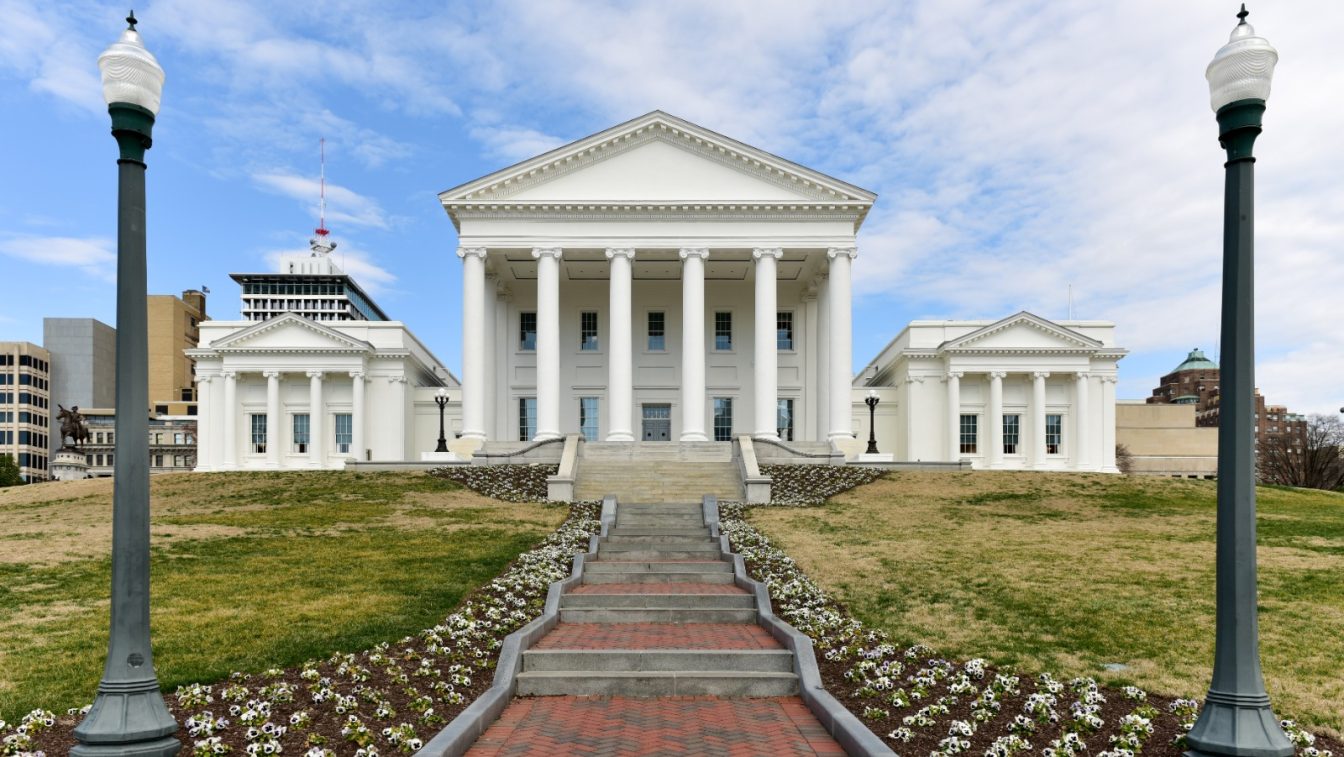
Virginia state Sen. Mamie Locke’s internet casino gaming bill, SB 118, narrowly failed to advance from the upper chamber’s General Laws and Technology Committee on Friday.
The bill was voted down 4-3 with one abstention, despite Locke making notable changes to the legislation she pulled last year for refinement. The biggest concerns of the comprehensive bill, which touched on other areas of gaming, were problem gambling and potential cannibalization of iLottery revenue.
Maine became the eighth state to legalize iGaming earlier this year, the first to do so since Rhode Island in June 2023.
Locke’s bill can be brought up again, but it faces a tight timeline for potential advancement, considering it must be passed by the full Senate by Feb. 17.
Locke’s enhancements
Locke outlined her substantial changes from last year in her introductory remarks. The first was creating a requirement that operators have in-state live-dealer studios, which she said would “create hundreds of new well-paying jobs with robust employer training and benefits.”
The second would also require casino licensees to submit job mitigation plans that must be made publicly available to casino employees and related labor for the duration an internet casino license is issued. In addition, Locke called for 25% of iGaming promotional credits to be geared toward driving activity to brick-and-mortar casinos, which would be reflected in terms of deductions for the state’s definition of adjusted gross revenue.
Locke’s bill also would ban credit card use for iGaming platforms and direct 5% of tax revenue generated toward the state’s problem-gambling fund. It would allocate 6% of receipts to a Hold Harmless Fund, directly addressing cannibalization concerns for brick-and-mortar venues.
Opponents vary in scope
There were more opponents than supporters of the bill, which in some respects was not surprising, given the wide-ranging nature of Locke’s legislation. Oliver Barry of the National Association Against Internet Gaming (NAAiG) cited lost revenue and jobs for brick-and-mortar casinos, as well as revenue losses for the state lottery.
Brianne Doura-Schawhohl, speaking on behalf of the Campaign for Fairer Gambling, said the “societal negative impacts” of iGaming “greatly outweigh any purported benefits.”
The online sweepstakes casino industry, which has taken a legislative battering for more than a year and been banned in multiple states, including California, New York, and New Jersey, also voiced its opposition.
Sean Ostrow, managing director of the Social Gaming Leadership Alliance (SGLA), said his industry is “a fundamentally different product than online real money gambling. The economics and the user base are entirely different.”
Ostrow added the SGLA sought a distinct regulatory structure similar to what has been provided for daily fantasy sports, casinos, and historical horse racing.
Virginia Lottery Executive Director Khalid Reede Jones said his agency will submit an impact statement based on the substitute bill Locke submitted, but also noted he sees Michigan and Pennsylvania as models for comparison, since both offer iLottery. Jones said Michigan in particular reported a 15% dropoff in lottery revenue from peak figures after iGaming was introduced.
Casinos among the backers
Caesars and Boyd Gaming came out in support of Locke’s bill, with Caesars representative Kenneth Hutchenson noting the importance of omnichannel promotion as a means of revenue growth. Hutchenson added, “Caesars would not support iGaming if there were not compelling evidence that it benefits brick-and-mortar casinos.”
John Pappas of iDevelopment & Economic Association (iDEA) said the legislation would “corral that unregulated marketplace, that chaos, and turn it into something accountable,” while also delivering “meaningful tax revenue.”
UNITE HERE, the hospitality union that represents casino workers at Rivers Casino in Portsmouth, did not take a position for or against the bill, but was encouraged by Locke’s improvements and committed to further dialogue with the state senator.
Locke closes, McPike comments
In her closing remarks, Locke presented data that showed more recent iLottery revenue increases in both Michigan and Pennsylvania and addressed the urgency of a platform she estimated was conducting $12 billion in annual business without generating any form of tax revenue.
“We can either allow that to continue and do nothing about it or we can try to wrap our arms around it,” said Locke, pointing out there was $5 million in readily available tax income. “It will protect land-based casinos and it supports Virginia’s problem-gaming treatment.
“We can sit here and clutch our moralistic pearls all we want to … so we can keep it illegal or we can put some guardrails.”
Committee Chair Jeremy McPike abstained from voting. He wanted to see “legislation that really ups the game in terms of problem gaming” and called it one of the most challenging areas. McPike also told Locke he wanted to see “the nation’s best [legislation] come out of this process as it moves forward.”