Bally’s Loudly Opposes Chicago Budget That Would Legalize Video Gaming Terminals
Operator inserts itself into budget battle as alternative proposal eyes VGTs as revenue source
3 min
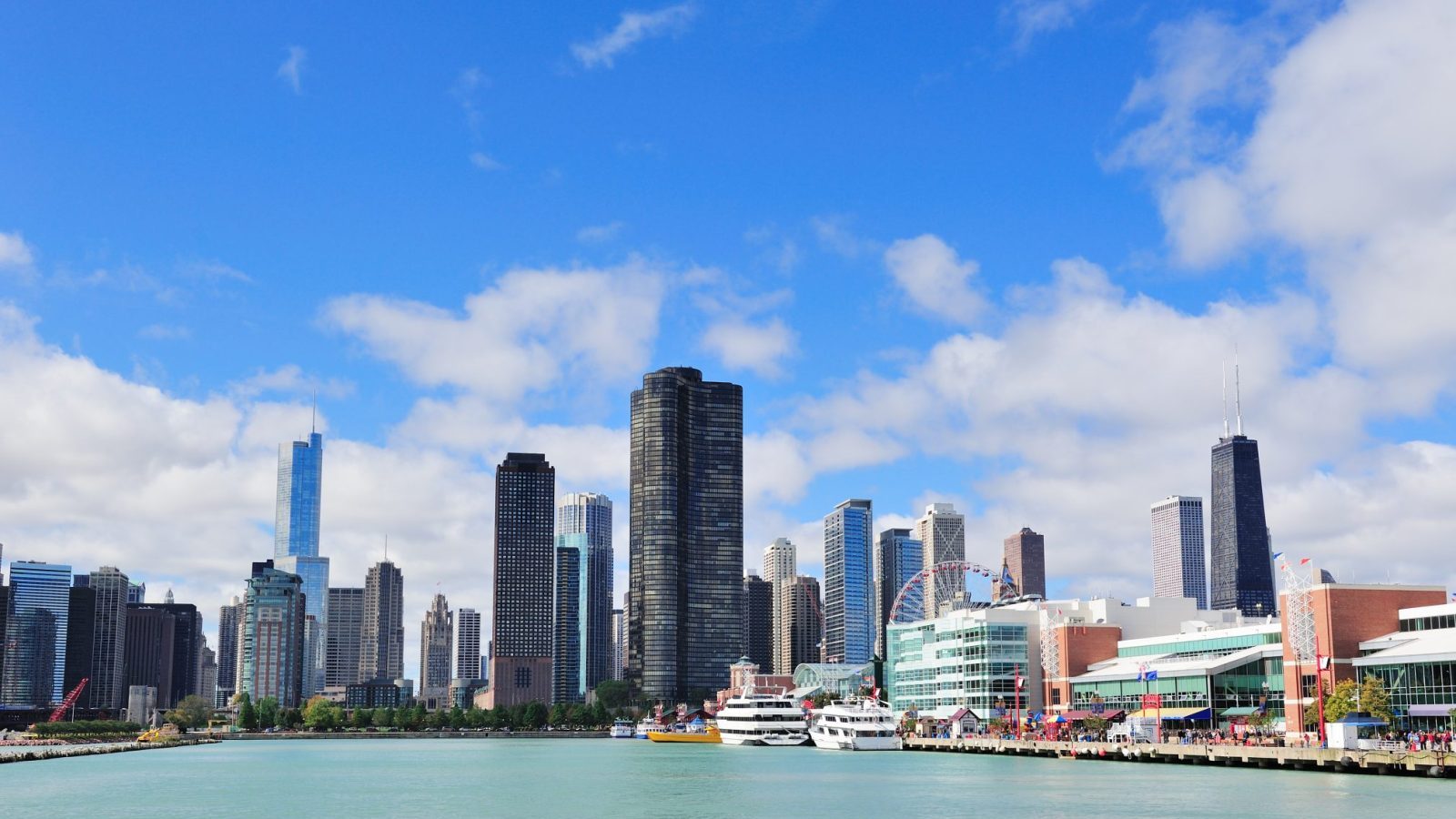
Bally’s, which has been feverishly constructing a $2 billion casino in the River West neighborhood of Chicago scheduled to open next September, threatened Chicago City Council members on Tuesday that legalizing video gaming terminals (VGTs) would create a loss of revenue and a reduction in jobs for the venue.
The criticism lobbed at the Chicago City Council was in response to a group of aldermen submitting an alternative budget to the one proposed by embattled first-term Mayor Brandon Johnson. That alternative budget, which passed out of the Finance Committee by a 22-13 vote on Tuesday, includes $6.8 million in revenue generated solely from licensing fees from legalizing VGTs — the largest source of gaming tax revenue in Illinois but currently barred in Chicago via city ordinance.
“To incorporate unregulated, independently-managed VGTs as a budget line item will result in a loss of substantial new revenue for the City, and will create significant job losses at the Bally’s Chicago Casino,” said Bally’s Vice President for Government Relations Elizabeth Suever in a statement. “Even if this proposal were to pass as is, it would generate $0 revenue in FY 2026 for the City.”
Johnson has opposed legalizing VGTs in the city, claiming it would not generate substantial revenue. Bally’s would likely be entitled to re-open the Host Community Agreement (HCA) and potentially forego a $4 million annual payment to the city. Alderman Anthony Beale, whose ordinance to legalize VGTs passed out of the Licensing and Consumer Protection Committee in September, included that deduction in his estimate.
A high-stakes game
The city could argue one reason why it is potentially turning to VGTs as a revenue source is because Bally’s has underwhelmed when it comes to tax revenue from the temporary casino in River North. Johnson budgeted $35 million in receipts for both 2024 and 2025; Bally’s delivered $16.1 million last year and $14.4 million through the first 11 months of 2025.
Beale did not mention Bally’s performance in his remarks to the Finance Committee when explaining how he arrived at his revenue projection. Instead, he noted there are “3,000 illegal sweepstakes machines here in the city of Chicago that we’re not getting a penny off of. Not one dime.”
The alderman estimated 80% of the 3,300 venues in the city that have liquor licenses would apply to host VGTs. Beale estimated those 2,640 venues would have 11,880 terminals — an average of 4.5 per venue when they are allowed to have a maximum of six. That would generate $10.8 million in licensing fees prior to the “$4 million penalty we have baked in for the Bally’s contract.”
The aldermen, using figures he said came from the Illinois Gaming Board, estimated VGT revenue for the city would range between $65 million and $100 million annually based on the 5% it would receive from the state. The state taxes Net Terminal Income (NTI) at 35%, with the host municipality getting 5% of NTI.
Bally’s ready to play hardball
Suever confirmed Bally’s would re-open the HCA if VGTs were legalized, saying it would “at a minimum jeopardize the $4 million yearly payment to the City currently owed by Bally’s.” She noted that since VGTs became legal in Illinois in 2012, casino gaming revenue has declined 37%. She said the availability of VGTs “also results in reductions in other sources of revenue from casinos including, but not limited to, admission taxes and payroll taxes.”
Suever estimated Bally’s would have a yearly total tax loss of $260 million with VGTs legal, and the city would lose roughly $70 million in tax revenue annually beyond the $4 million payment from the HCA. But she saved her biggest salvo for last, claiming a similar 37% reduction in revenue projects to a “staggering reduction of 750 to 1,050 positions if this proposal is effectuated.” Suever said Bally’s is committed to creating and maintaining 3,000 jobs at the River West side but bluntly said “VGTs pose a direct threat to this commitment.”
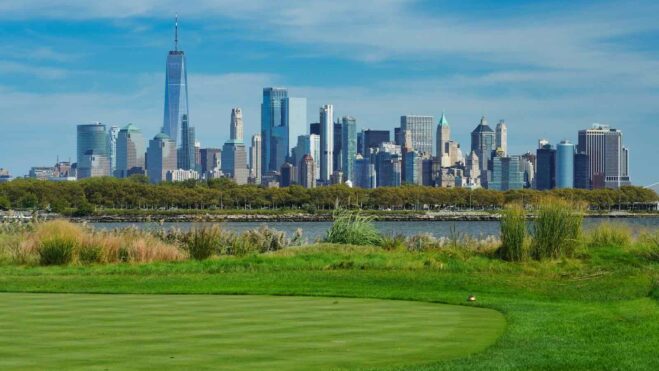
Bally’s concerns come less than 48 hours after it was granted a conditional license Monday to build its proposed $4 billion casino in the Ferry Point section of the Bronx in New York. Bally’s has to pay a $500 million license fee to the New York State Gaming Commission before the end of the year and $115 million to the Trump Organization per the conditions for the $60 million lease it acquired for managing the golf course on the property in 2023.
Bally’s said it wanted to make its Chicago casino the company’s “flagship property” when it pitched the proposal in 2021. Four years later, Bally’s is on the verge of breaking ground on a larger venue in the Bronx and currently constructing a $3 billion venue in Las Vegas in addition to racing the clock to open the River North location.
Gaming revenue under fire
Bally’s is not the only gaming company with skin in the game for the 2026 Chicago budget. Both Johnson and the City Council have proposed a 10.25% tax on city-based sports betting revenue in their respective budgets. Bally’s lone source of sports betting revenue in Illinois is through its retail property in Quad Cities.
The proposed levy, which has been met with fierce criticism from the Sports Betting Alliance and state legislators, would create a minimum tax rate of 32.25% on Chicago-based sports betting revenue. Illinois lawmakers passed a progressive tax on sports betting revenue in 2024 with a floor of 20% and ceiling of 40% based on revenue thresholds. A 2% levy on Cook County-based revenue is part of the original legislation signed into law when sports betting was legalized in 2019.
Additionally, the effective tax rate would be even higher considering mobile operators are currently paying a per wager surcharge that took effect July 1, at the start of the fiscal year. FanDuel and DraftKings are already paying the higher 50-cent surcharge, having surpassed 20 million accepted wagers.