IGB Tables Vote On Par-A-Dice Casino Renovation
Location, location, location of the gaming floor continues to be point of contention in Boyd Gaming’s proposed expansion
2 min
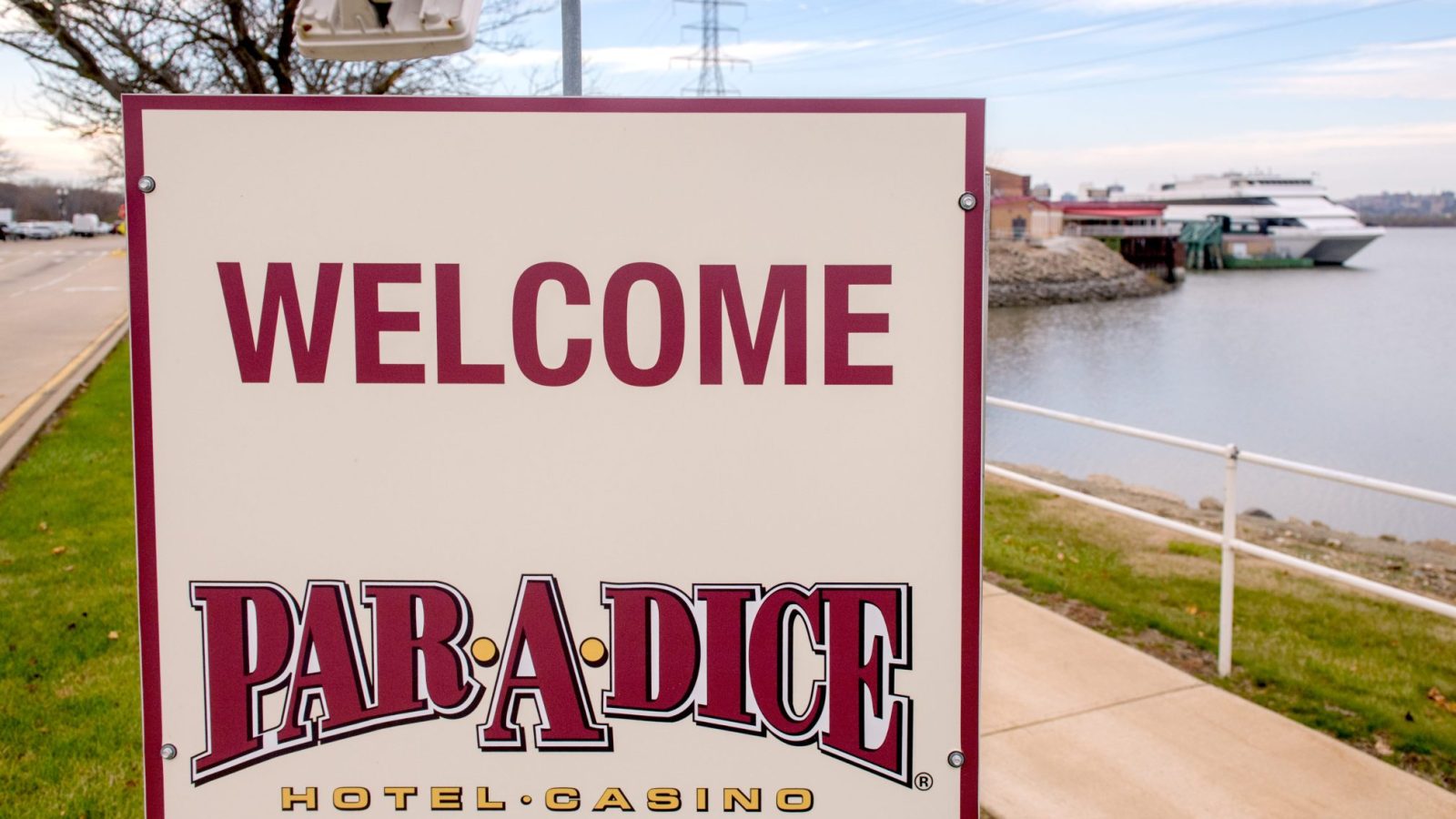
The Illinois Gaming Board (IGB) on Thursday tabled a vote for final consideration of Boyd Gaming’s proposed $160 million renovation of Par-A-Dice Casino in East Peoria.
The move came due to a modification of the proposal involving the casino floor, which was moved to a position where it was located above the Illinois River. The precise placement of the gaming floor has been a matter of contention between the cities of East Peoria and Peoria due to their intergovernmental agreement (IGA) and the interpretations of land-based and riverboat casinos.
The decision to table the final consideration came after a 25-minute closed session of the meeting to consider if the modification changed the status of the proposal being “final consideration.” IGB Administrator Marcus Fruchter said he expected there would be an announcement Friday for a new date, which would likely fall within the next three weeks.
A shift where the gaming space goes
Par-A-Dice Casino is currently considered a riverboat casino in Illinois, and state law requires a connection to the water to maintain that status. In its initial renovation plans submitted at the previous IGB meeting on Dec. 11, Boyd Gaming proposed keeping riverboat status by moving the gaming floor 150 feet off the water and having it sit atop 1,000 gallons of water pumped in from the Illinois River.
Boyd Gaming Counsel and Executive Vice President Uri Clinton explained at the time that it would be “essentially a water basin consistent with our understanding of past precedents from the board and the modernization of the riverboat gaming in the industry.”
In the two months since that meeting, Boyd held meetings with both cities trying to find a solution that satisfied both parties, given the IGA that dates back to 1991 stipulates any land-based casino must be constructed in Peoria. The two cities have split the local share of Par-A-Dice’s tax revenue 50-50 in recent years.
At Thursday’s meeting, Clinton said the decision to move the gaming floor to a “permanently barged vessel to be located on the Illinois River” could serve all the issues. Clinton said the move enhances economic output, avoids litigation, avoids delay, and is consistent with the previous presentation. It also allows Boyd Gaming to make sure the cities of East Peoria and Peoria each receive 2.5% of the casino’s adjusted gross revenue, per the IGA.
Fellow counsel Ward Shaw followed Clinton and pointed out the economic impact from the proposed expansion remains the same. He said the larger gaming floor will have an immediate increase of 20% in slot positions and 33% in table games positions with the capacity to add more to each discipline if economic conditions allow.
Clinton returned to the podium and affirmed the gaming floor’s location meets the requirements of a riverboat casino since the barge sits on the river and is located on the Illinois River. Clinton cited the current set-up of the gaming floor at Harrah’s Joliet as precedent in Par-A-Dice’s bid to maintain riverboat status.
The counsel also cited two sections within Peoria’s lawsuit filed against the IGB to block the expansion vote that a “permanently moored barge that is non-operational” was among the acceptable options.
Froelich brings the spammer
Cesar “Cid” Froelich, who is representing the City of Peoria, confirmed the lawsuit had been filed in brief remarks to the board. He admitted Boyd’s modification could indeed resolve the issue, but added that “in order for litigation to be dismissed, it has to be reviewed to comply with the act.”
Froelich added that it was the first time he had seen details of the modification in the revised proposal, which prompted his ask for the presentation to be considered a “first meeting” as part of the IGB’s two-meeting rule when discussing licensee plans.
The Peoria City Council on Tuesday night rejected a settlement offer from Boyd by a hung 5-5 vote with one council member absent, which prompted the filing of the lawsuit. Boyd proposed giving Peoria 2.25% of its AGR from the new venue, which it estimated to be $1.8 million annually.
That money would have been in addition to the 50-50 split of gaming tax revenue as part of the 1991 intergovernmental agreement. Peoria Mayor Rita Ali was in favor of the settlement, but councilmembers that opposed the deal were looking to bring Boyd back to the bargaining table for better terms and acknowledged the risk of multi-year litigation against Boyd, East Peoria, and the IGB.