What Do Casino Floors And Grocery Stores Have In Common?
Design trends to ensure good customer flow unite the two otherwise unrelated businesses
6 min
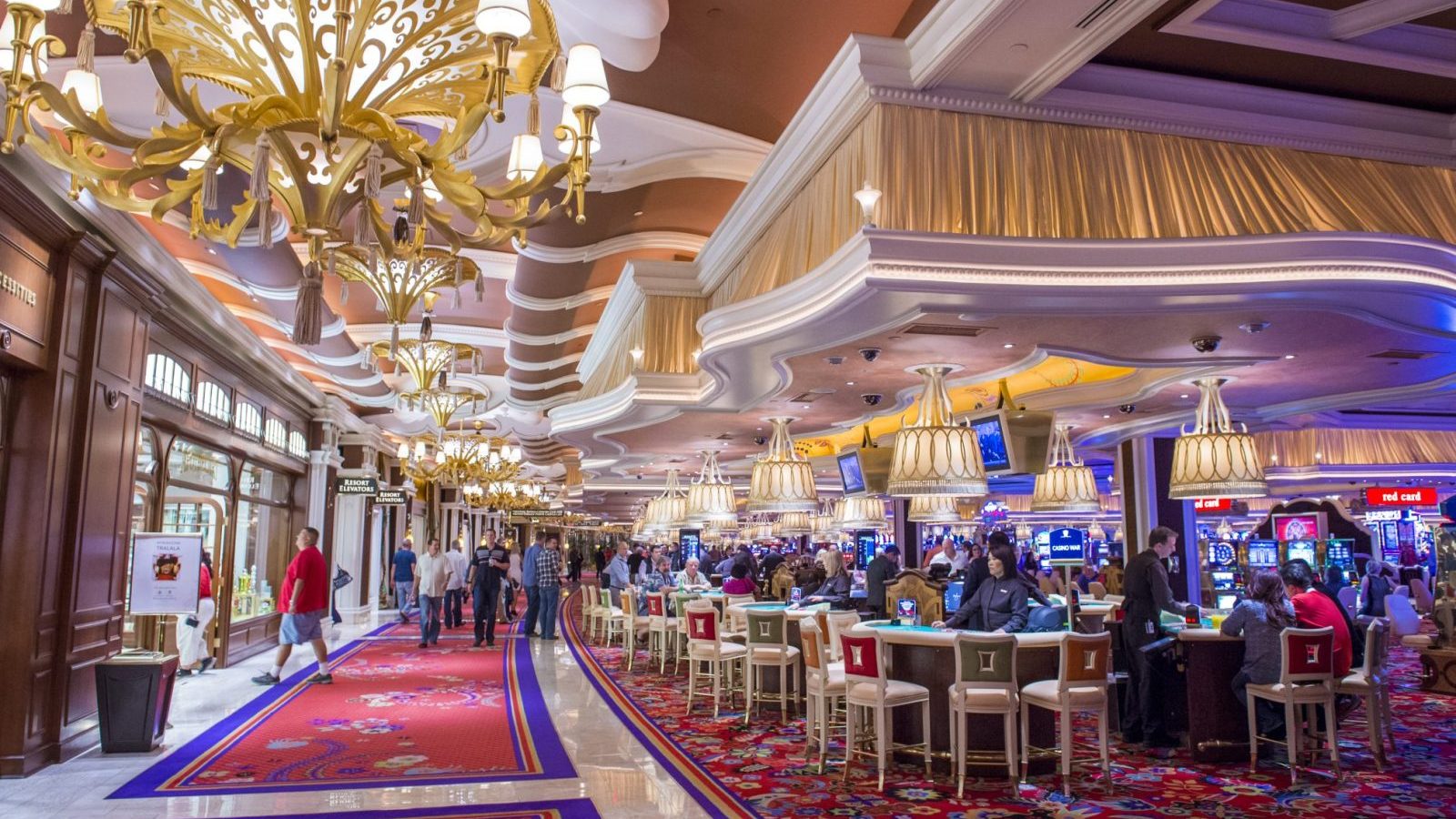
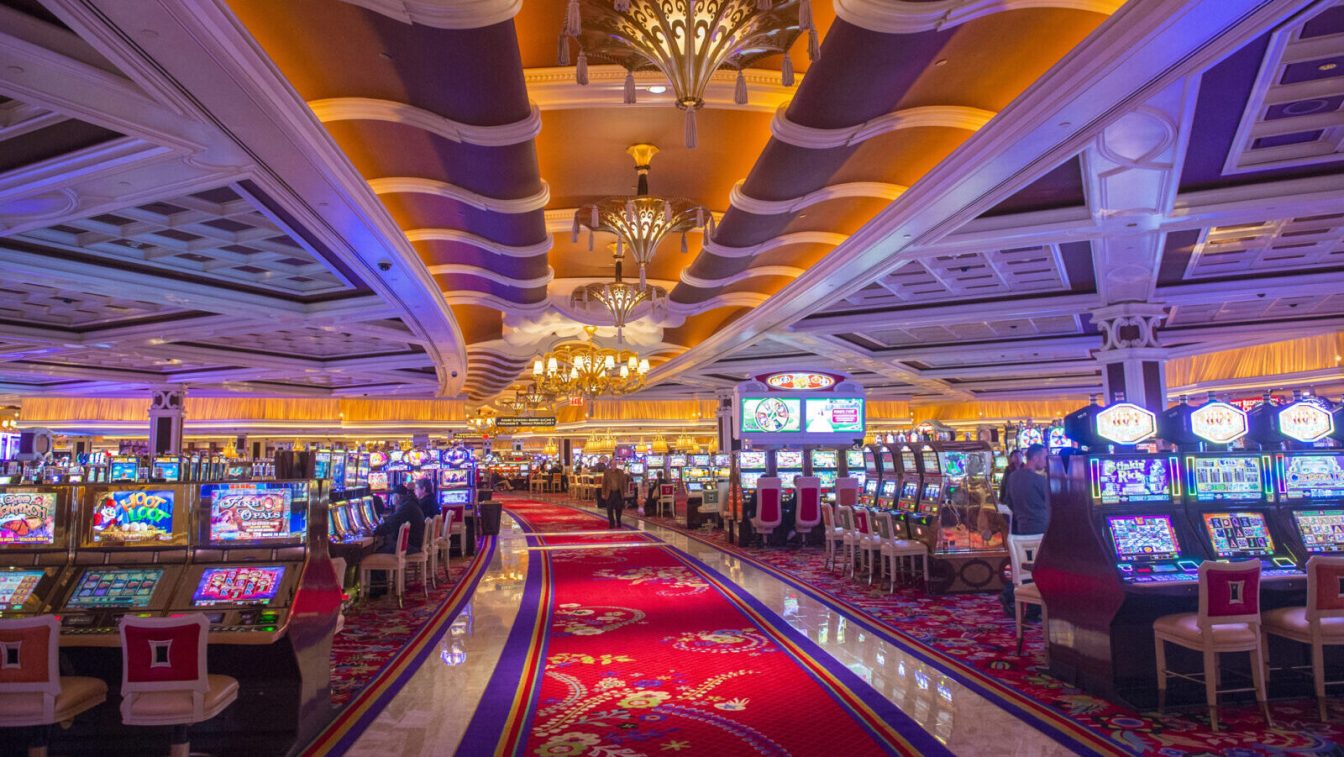
Designing a casino floor plan is a mix of art and science according to two of the most prominent and successful designers working today.
While artificial intelligence (AI) might be the buzz word of today, the current method of creating a space that is inviting, exciting, and conducive to gambling remains very much the domain of research and feel rather than scraping large data sets.
And what makes a good gaming floor design in one property may not work as well at another.
“It’s very individualized, from operation to operation, based on clientele, based on the property itself and how people interact with the property,” said Mike DeJong, senior vice president of slot ops and marketing for Wynn and Encore Las Vegas.
What works for a Las Vegas Strip casino may not work at a tribal or other property when taking into consideration the traffic in each facility. “But at its heart, [the aim is to create] a comfortable environment that has the product that people want to play and allows them to have an enjoyable experience,” DeJong said.
Bread and milk and slots and roulette
What do casino gaming floor designs have to do with how much and what type of fruits and vegetables you buy when you go to the grocery store?
A lot actually, said DeJong.
“People don’t think of them together, but certain ways of laying out and designing a grocery store are some of the same principles that we apply in the casino,” he said.
Most Americans enter a grocery store and go to the right, beginning their shopping in the fresh produce section. Next up is usually the deli, followed by dairy in the back corner, with meats and seafood along the back wall.
“You’re probably visiting the same store, so there’s a familiarity there,” DeJong said. “You’re a frequent customer. People in the U.S. generally walk in and go to the right, and they move to the bigger, more open areas. The entrance has lower ceilings, and the main part of the store is bigger and more open. You start going up and down the aisles, and you kind of have an idea of what’s in which aisle.”
The same concepts apply to casinos, particularly in Las Vegas, DeJong said.
“Instead of milk and dairy, we use different sorts of brand name products,” he explained. “Those are the lures that we have to get you to walk up and down our aisles. And then we also merchandise product to you. At the grocery store they’ll highlight their sale products on end caps. We do that with certain sorts of slot machines to catch your attention. We are always teasing with that staple of Dragon Link or Wheel of Fortune, or some of the other big brands that generally are what I like to call a destination slot machine.
“How you interact in the casino, and the way we lay it out, isn’t that much different than a lot of retail stores. You get into regular retail stores, how they arrange the aisles, how they let people flow in, how they manage the spacing to make sure that it’s not too tight, it’s not so open. They’re trying to get as much product as they can.”
Types of customers matter
The research bears out that how people interact with any property is largely dependent on the floor design as well as the mission of the casino property as a whole. In Las Vegas, where casinos may be one part of an overall property with hotels, shops, spas, convention centers, and other entertainment opportunities, designing the flow of the floor must take into consideration how and where people access the space.
“For better or worse in Las Vegas, every three days I like to say I’ve got a new group of folks in house,” DeJong said. “So, unlike a local [casino] — where it might be a little easier [for players] to find the product that they like and serve that product up to them, you can do that with a little more certainty — every three days, five days, it’s having a new crop of visitors in town. The tastes change, day to day, week to week, much more quickly.”
Knowing that informs the way Charlie Lombardo, the former senior vice president of gaming operations at Seminole Hard Rock Gaming and former senior vice president of slot operations for Caesars Palace, Bally’s, and Paris Las Vegas, goes about designing gaming floors. Lombardo still works with Seminole Hard Rock designing gaming floors.
“I always start with, where are people coming from and where are they going to, and let’s make it easy for them to get there,” said Lombardo, a 2025 inductee into the American Gaming Association Hall of Fame and the first-ever inductee into the Eilers Hall of Fame for Slot Operations. “I don’t want them going through the middle of the casino.
“The old philosophy was, well, if you walk them through the casino, you’re going to entice them to play or they’re going to see something, and they’re going to want to try it. I don’t believe that. If you’re a gambler, you’re going to go in the casino. If you’re not a gambler, you’re not going to play.”
Lombardo notes where people enter or intend to go on a casino property and tries to make it easier for them. Whether they come from the parking garage or parking lot or from the front desk or from the convention center matters.
“Usually, they’re going to places in the perimeter of the casino and not in the middle of the casino. If they’re going to a theater or restaurant or convention area or whatever, they’re coming in from one of the main entrances, so they should have a path to go to those places.”
Comfort is key
Just like we want our homes to be a place of comfort, so too does the casino designer want patrons to feel comfortable, happy, and taken care of on the gaming floor.
Think of the feng shui — the ancient Chinese practice of arranging objects and living spaces to harmonize the flow of energy — of what the actual gaming floor looks like. Chairs, lighting, sound, visual cues, and service are also part of the plan for well-designed spaces.
“I always want to make the casino comfortable, give [players] plenty of room so that they don’t have to squeeze go to some place,” Lombardo said. “You shouldn’t have to squeeze to get between two players or machines to go to the machine you want to go to, or the table you want to go to.”
In the past, casinos were designed with slot machines set in rows and rows, so that people were lined up right on top of each other. Today, many casinos cluster games in pods of three, allowing more space between players and room for people to move about. In addition, casinos have moved from the old stool (or no chair) to adding comfortable, movable chairs that might also have seating for two, to enhance the experience at the slot.
Today’s slot games are also taller — much taller. That creates problems ,when players can’t see the rest of the gaming floor. “I like them to always have a vision especially in today’s world with all the tall games. We don’t have a vision sometimes,” Lombardo added. “When I say I like them to always have a vision, I want clean lines everywhere. I want you to be able to see through the opening from one end of the casino to the other as much as possible. You always have an idea where you’re at and have a clean vision of your surroundings. There’s nothing worse than being in the middle of a bunch of tall machines and not being able to see your way out.”
And like home designs of the past decade, open floor plans sometimes need to adjust for the sake of intimacy. “There are some areas where we’ll intentionally set them up a little closer, to create a little bit more of an intimate environment, because maybe you do want to be a little closer without being side by side,” DeJong said.
Game colors, lighting, and sound also play roles in creating atmosphere. If operators want a more light-filled space, they might include windows to the outside, like Wynn does, or higher ceilings and bright lights, like the Venetian and Palazzo in Las Vegas. Some, prefer a darker, clubby approach with lower ceilings and lighting. Each change impacts the vibe and play within the casino. Everything is meant to tell a story, DeJong said.
For operators, the desire is for that story to be one of creating repeat customers happy to spend some time and money in a clean, comfortable, and well-designed space.
Even if the same layout could be used for your local grocery store.