Maine iGaming Bill Faces Veto Push As Governor’s Deadline Nears
Board warns tribal-only bill would cost jobs, cut education funding, create harmful monopoly

2 min
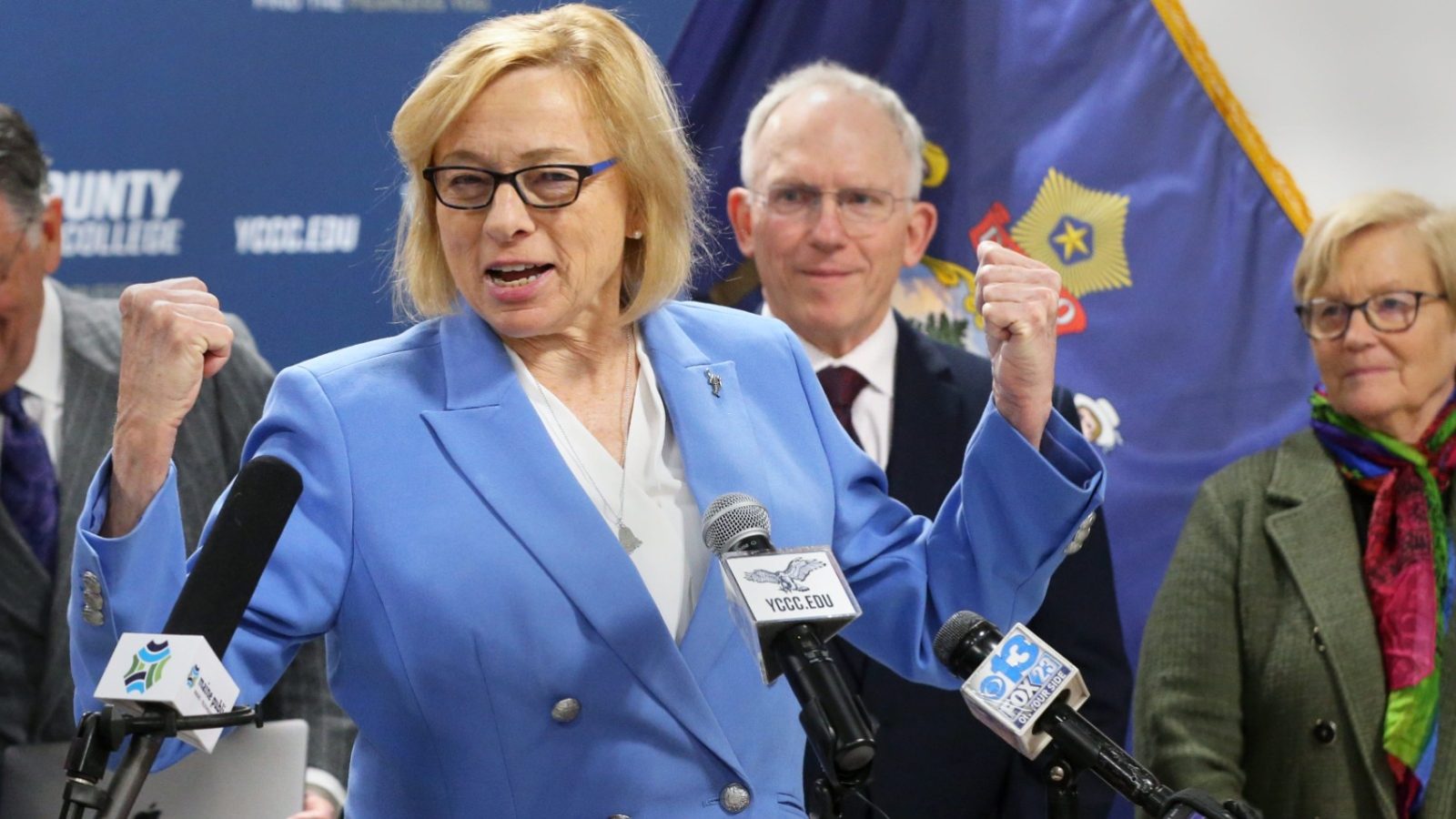
The decision on whether online casinos will be allowed in Maine comes down to the next few days, and the Maine Gambling Control Board is urging Gov. Janet Mills to kill the bill.
In a letter dated Dec. 17, the Board unanimously voted 5-0 to ask Mills to veto LD 1164, which would give the state’s four Wabanaki Nations exclusive rights to operate regulated online casinos.
The legislature is scheduled to reconvene this Wednesday. Under state law, Mills would then have three days to sign, veto, or let the bill become law without her signature.
“Cutting out Oxford and Hollywood Casinos entirely from offering iGaming is ill-advised and creates a monopoly that is harmful to consumers and the Maine workers employed by Oxford and Hollywood Casinos,” the board wrote in its letter to the governor.
Mills had the chance to act on the bill when it passed both chambers last year but chose to hold it over until the legislature returned.
“She did this with the first sports betting bill back in 2019, and that was vetoed,” Board Chairman Steve Silver told Casino Reports Monday.
As for what Mills will do this time, Silver wasn’t making predictions.
“Your guess is as good as mine,” he said. “There’s a lot of interest involved and it’s a big election year for her. She’s running for Senate, so it certainly complicates the decision.”
Board concerns
The Board’s opposition centers on what it sees as a flawed structure. Under current Maine law, the Gambling Control Board regulates slots, table games, and electronic table games at Oxford Casino Hotel and Hollywood Casino Hotel & Raceway, the state’s two brick-and-mortar commercial casinos. But LD 1164 would place iGaming under the authority of the Gambling Control Unit director.
“Why would slots and table games on the internet be different?” Silver said.
The letter warns that legalizing iGaming without allowing Maine’s existing casinos to participate will lead to job cuts. Oxford Casino told the board that approximately 120 workers could lose their jobs, with Hollywood Casino also anticipating significant losses.
“We cannot afford to put 100-200 Mainers out of work,” the board wrote.
The board’s letter also raised concerns about cannibalization of casino revenue. Citing a February 2025 report from the Innovation Group, the letter noted that brick-and-mortar casino revenue “underperforms by 16.5% following iGaming introduction.”
That presumed drop would hit the 19 recipients of Maine’s casino tax, including K-12 education, the University of Maine scholarship fund, harness racing purses, agricultural fairs, and the Penobscot and Passamaquoddy tribes themselves. The Board projects K-12 funding alone could lose more than $3.6 million.
“What’s the plan to backfill those losses? There is none,” Silver said. “It’s really a structural problem.”
The board also warned that iGaming would worsen problem gambling in the state. Self-exclusions from casino gambling have jumped 275% over the last three years, from 133 in 2022 to 498 currently.
The letter cited data from other states showing sharp increases in problem gambling hotline calls after iGaming went live, including a reported 267% jump in Michigan and 320% in Pennsylvania.
“According to a panel at the Harvard School of Public Health, iGaming is 10 times more addictive than other forms of gambling,” the board wrote.
Details of the bill
LD 1164 would allow the Penobscot Nation, Passamaquoddy Tribe, Aroostook Band of Micmacs, and Houlton Band of Maliseet Indians to exclusively operate online casino platforms. Each tribe could partner with a single licensed platform provider, with licenses costing $50,000 annually.
A 16% tax on adjusted gross revenue would fund gambling addiction services, emergency housing, veterans’ programs, and other state needs.
The bill passed the House 87-60 and survived multiple attempts to kill it in the Senate by a single vote, 18-17. Those margins make a veto override unlikely, as both chambers would need two-thirds support.