Virginia Gov. Spanberger Vetoes Bill To Legalize Skill Games
Virginia Gov. Spanberger vetoes a bill that would have legalized skill games, citing the need for a central gaming regulatory agency.

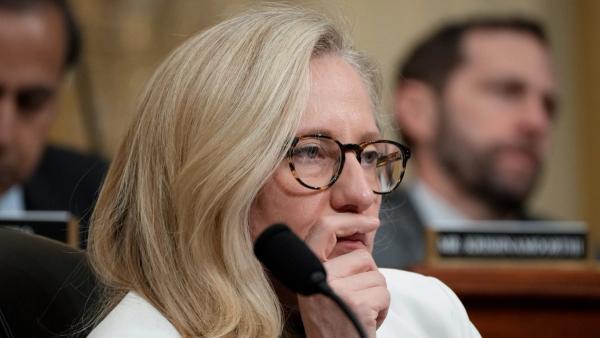
Virginia Gov. Abigail Spanberger on Friday vetoed legislation that would have legalized skill games, citing the lack of a central regulatory authority to oversee all gaming in the Old Dominion.
Senate Bill 661 would have permitted 25,000 skill game machines across the state under the regulatory authority of the Virginia Lottery, with a 25% tax rate. Spanberger previously called for all gaming in the state to be regulated under one agency, a key reason the push for legalizing internet casino gaming stalled in the statehouse conference committee.
"The rapid expansion of gaming in Virginia over the last decade has outpaced the Commonwealth’s ability to provide consistent enforcement, robust public safety oversight, and meaningful assessments of the potential impacts or harms of gaming in all its forms," Spanberger said in a statement explaining her veto. "Senate Bill 661 would strain an already fragmented system and introduce thousands more machines without a comprehensive regulatory structure.
"In the absence of a single, independent, and dedicated entity responsible for regulating all forms of gaming, Virginia is not positioned to ensure compliance, prevent illicit activity, protect consumers, or evaluate and respond to community impacts or harms."
Legal questions continue
The legality of skills games again came into question last year when a Hanover County judge ruled Queen of Virginia Skill 2 Games (QVS2) do not meet the definition of illegal gambling machines under state law.
The QVS2 machines, which require an attendant to commence game play, were specifically designed by manufacturer Pace-O-Matic to comply with the state law as written, since the ban applies to a machine that “requires the insertion of a coin, currency, ticket, token, or similar object to operate, activate, or play a game ...”
Former Gov. Glenn Youngkin also vetoed a measure for legalization in 2024. Youngkin's veto, though, came after his amendments to a skill games bill were rejected during a reconvened session. He had proposed a 35% tax rate on skill machines and sought to ban them in a 35-mile radius from casinos, racetracks, and gambling "satellite facilities."

Chris Altruda was a sportswriter with ESPN, The Associated Press, and STATS for more than two decades before turning to the gambling industry at Sports Handle in 2019. When not crunching sports betting revenue figures,…