Pennsylvania Skill Game Retailers Propose Lottery Boycott Strategy
Ban on illegal gaming machines now in effect, no clear timeline for any effort to legalize and tax them

Pennsylvania’s ban on “skill games,” which were determined in June by the state Supreme Court to be illegal, has gone into effect. And retail business owners that for years have played host to the gaming machines say they’re feeling the effects.
As Pittsburgh media outlet WPXI reported over the weekend, some of those business owners are fighting back by urging a boycott of state-sanctioned lottery play.
“One week, do not sell lottery,” Pat Schade, the co-owner of Plaza News and Lottery in Hopewell, Pennsylvania, said to WPXI. “If the state doesn’t want to bring skill games, do not sell lottery. If they take our money, we take it from them.”
Added Serena Martz, co-owner of McBride Station in Butler: “I honestly think we should boycott the lottery so they can understand how bad they’re hurting us right now.”
Pennsylvania state Rep. Russ Diamond, the minority chairman of the House Gaming Oversight Committee who introduced legislation in late September to regulate the games, told Casino Reports three weeks ago that no matter what the state legislature did or how quickly it acted, the games would at least temporarily have to be shut down. That has indeed come to pass, as there has been no action on Diamond’s HB 2801 and HB 2802.
The current legislative session ends Nov. 30. For the past several years, lawmakers have discussed whether to legalize the devices and under what tax rate and other guidelines without being able to reach consensus. The state’s casino industry has strongly opposed their legalization as unfair competition.
Wide range of views on taxes and fees
Diamond’s bills call for the skill games to be taxed at 20% of revenue, while Gov. Josh Shapiro has called for a 52% tax rate, more in line with how casino slot machines are assessed.
The store owners contacted by WPXI stated a preference for a flat monthly fee rather than a revenue percentage, supporting payments to the state of $500 per machine per month.
Schade estimated business at his store dropped 75% after the skill games ban went into effect last week, and he said, “We’re afraid we’re going to have to close one store and let six employees go.”
Diamond warned last month in his interview with Casino Reports, “If we do nothing, and we don’t get this done in advance, before [the midterm] election, there’s going to be an outcry like you wouldn’t believe. I don’t think enough people in [the Pennsylvania legislature] grasp how many people actually rely on hosting these games for an income and how much outrage there will be if we blow this deadline.”
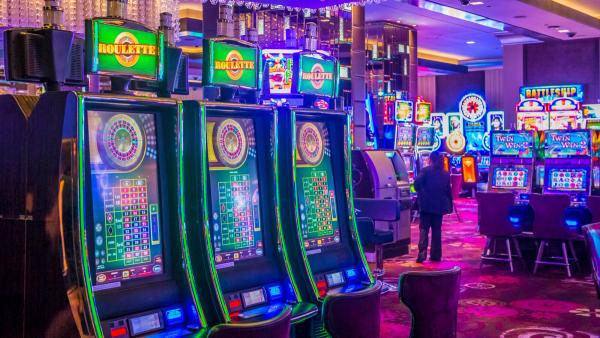
Pending an agreement on regulation and taxation, Pennsylvania State Police have the authority to impose criminal penalties for any machines still found in public-facing areas at retail businesses. There have been estimates that as many as 70,000 of the gaming devices exist in bars, clubs, convenience stores, and other outlets across the state, compared to about 25,000 slot machines in Pennsylvania casinos.
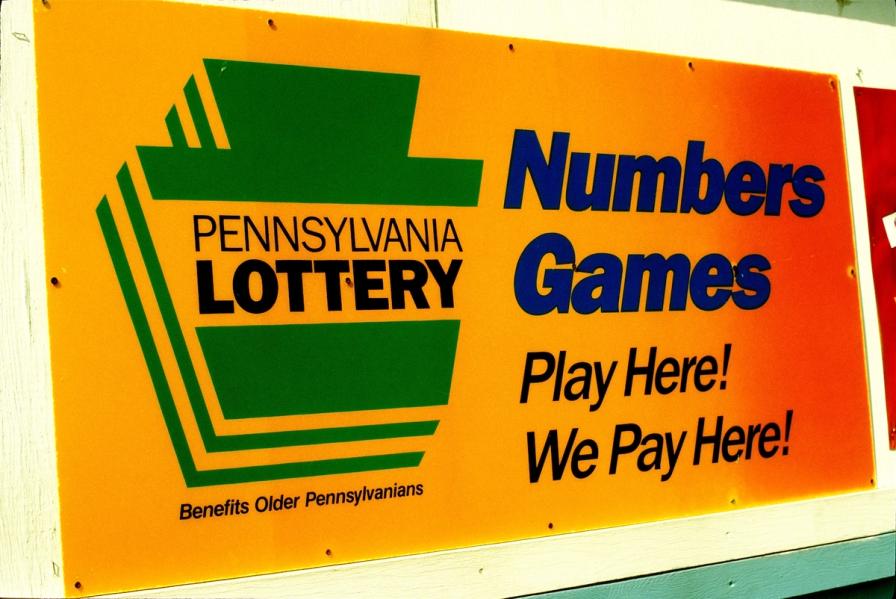
The Pennsylvania Lottery announced last month that in the 2025-2026 fiscal year that concluded June 30, lottery products generated more than $1 billion in profits for the 15th consecutive year. A portion of all proceeds goes to programs benefiting senior citizens, including free and reduced-fare transportation and prescription assistance. How big a dent a retailer boycott on lottery sales could put into those numbers is an open question.

Eric has been a professional editor and writer for more than 25 years, including nearly 20 years of experience covering the gambling industry. He was editor-in-chief of the poker magazine All In from 2005-2015 and manag…