Pennsylvania ‘Skill’ Bills Introduced, But Games To Pause No Matter What
Rep. Russ Diamond: ‘If we do nothing, there’s going to be an outcry like you wouldn’t believe’

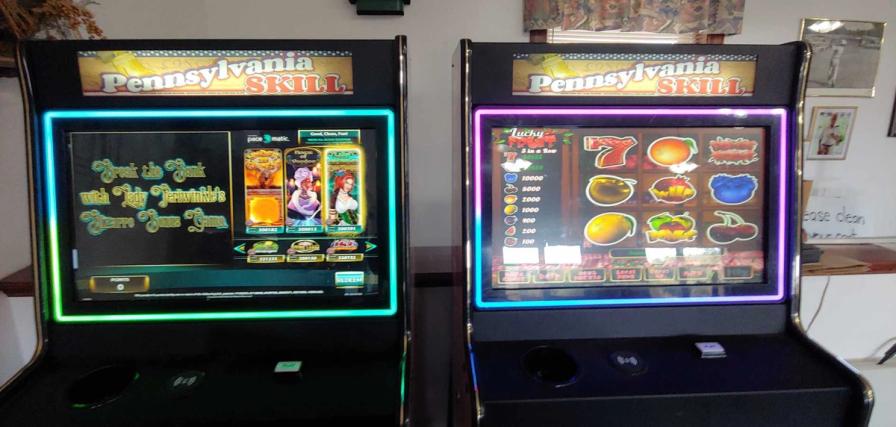
Since the Pennsylvania Supreme Court ruled in June that so-called “skill game” machines are an illegal form of gambling that need to be either regulated or removed, the push has been on among supporters of the games to make that first option — regulation — a reality.
On Thursday, state Rep. Russ Diamond, the minority chairman of the House Gaming Oversight Committee, introduced House Bills 2801 and 2802 to bring the games under a regulated framework and tax them. The state Supreme Court’s ruling came with an Oct. 13 deadline before the games would have to be unplugged, and Diamond is prioritizing getting his legislation passed before then. But he acknowledges the timing is such that the games, which are available in clubs, restaurants, bars, and qualified truck stops, will have to at least be paused even if a bill to regulate passes quickly.
“I do believe we can get this done,” Diamond told Casino Reports on Monday. “I am working diligently to see what kind of potential amendments we can add to this bill to make it agreeable to 102 members in the House, 26 members in the Senate, and one governor to get this done before the deadline. But we have to be aware that even if the legislature gets this done by the deadline, there will be a brief pause before the skill machines can actually be back on the street again, so to speak, because the Gaming Control Board will have to actually approve these machines.”
Diamond said his understanding is that process typically takes about a month and a half.
So the games will become unavailable on Oct. 13. The goal for Diamond is to make that pause as brief as possible.
“If we do nothing, and we don’t get this done in advance, before [the midterm] election, there’s going to be an outcry like you wouldn’t believe. I don’t think enough people in [the Pennsylvania legislature] grasp how many people actually rely on hosting these games for an income and how much outrage there will be if we blow this deadline. And that’s why I am working my tail off to try to come to a bipartisan consensus on how we can get something done, to make sure that they don’t lose that lifeline.
“Look, they’re going to have a brief pause. We've offered conditional licenses to every everybody in my bill, to bridge the gap on the licensing side. It's just the physical approval and inspection of the machines and the software that’s going to create that brief pause. But the outrage if we do nothing is going to be horrific. And I don't mean ‘horrific’ with a small ‘h.’ I mean ‘horrific’ with all capital letters.”
Varying perspectives, varying tax rates
There are, of course, two sides to this issue. The regulated gaming industry has long backed the position the state Supreme Court arrived at, that skill games are a form of unfair and illegal competition for casinos’ offerings.
That has also been the Pennsylvania Gaming Control Board’s (PGCB) position.
Rep. Ben Waxman of Philadelphia told Spotlight PA in June regarding regulated skill games, “What we are talking about here is the potential largest expansion of gambling in Pennsylvania history since the casinos. And we cannot make short-term decisions with really long-term consequences.”
Republican Diamond said the skill games issue is one that’s been on his radar for over 10 years, and this specific legislation has been in the works for more than 18 months — well in advance of the state Supreme Court’s ruling. He said he’s gathered input from the skill games folks and the regulated gaming industry as well as the horseracing industry, plus the PGCB and public citizens, attempting to craft regulations that address the needs of all sides.
The legislation calls for skill games to be taxed at a rate of 20% of revenue, a number that Diamond said people in the skill business told him “they could live with.” The bills would also alter the tax rates on some casino games, slightly reducing brick-and-mortar and online slots from as high as 54% to 49.9%, while elevating the online table game tax rate from as low as 14% to that same 49.9%.
Diamond labels those adjustments as “revenue neutral” in terms of the projected taxes collected, but of course, a 20% tax on previously untaxed skill machines would increase the overall amount the state receives — and result in tax relief for “qualified homeowners.” The House Republican Caucus is projecting “nearly $1 billion in additional property tax relief” if the legislation goes through.
If the state House and Senate are able to indeed expeditiously address, amend, and pass the legislation, how confident is Diamond that Gov. Josh Shapiro would put his signature on it? Shapiro has indicated support for the regulation of skill games in his budget proposals in 2025 and 2026, but has called for a far higher tax rate of 52%.
“The governor is up for election as well,” Diamond said, “so if we can get a compromise done here in the General Assembly, which is divided government, I don't think that two weeks before an election, the governor's going veto a bill and send the state police out to raid all our clubs, our bars, our restaurants, and every other business that has the games. If we get any bill to the governor, I think he would probably sign it.”

Eric has been a professional editor and writer for more than 25 years, including nearly 20 years of experience covering the gambling industry. He was editor-in-chief of the poker magazine All In from 2005-2015 and manag…