Casino Expansion Outlook Improves From Election Results In Texas, Ohio, Georgia
Incoming governors and one key lieutenant governor change the possibilities

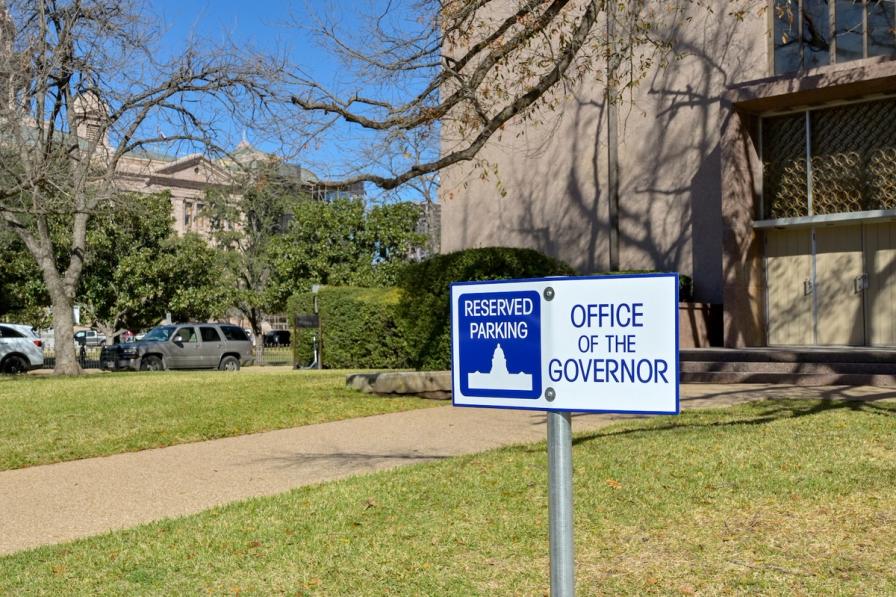
Votes were still being counted as of Wednesday morning in numerous national and local races across the country, but the election results for every gubernatorial race were in — or at least a foregone conclusion.
And three of those results appear to bode well for the possibility of casino expansion.
These midterms flipped the governor’s seats in Texas, Ohio, and Georgia, three states that had little to no hope for casino legalization with their outbound Republican governors. Now, however, they could be poised to explore additional gaming when newly elected Democrats take office.
Here’s a look at what the election results could mean for gaming in each state.
Texas
As long as Greg Abbott was governor and Dan Patrick was lieutenant governor, casino legalization in Texas was a non-starter. But the former lost Tuesday to Gina Hinojosa in what would have been categorized going into the election as a modest upset, and the latter fell to Vikki Goodwin in what Citizens analysts termed “the most shocking outcome of the night.” It ended a 12-year run of the staunchly anti-gambling Patrick controlling the state Senate and being able to block casino bills from being considered.
Goodwin’s campaign website includes a passage reading: “I am in favor of letting the people of Texas vote on whether or not to legalize gambling in Texas. Right now people leave, and take their dollars with them, to go to nearby states where they can gamble, which means Texas is losing out on potential revenue and economic activity. This represents a significant economic opportunity that could benefit our state through job creation, tourism, and tax revenue if properly regulated.”
There’s still a long way to go, however, to bring full casinos to Texas. A two-thirds vote in both chambers is required to advance a constitutional amendment, and Hinojosa has not detailed her gambling position — though she did in the past oppose a piece of sports betting legislation.
The change in the governor’s mansion appears on paper to be neutral for gambling expansion. Any real optimism comes from the flipping of the lieutenant governor’s office.
Ohio
Unlike the Texas races, this was no upset — Democrat Amy Acton was widely expected to defeat Republican Vivek Ramaswamy in the battle to replace Mike DeWine as governor, and she did.
Ohio is already home to four commercial casinos, but the potential change here is on the online casino front. DeWine openly expressed regrets about legalizing mobile sports betting and made clear his opposition to iGaming. Acton and her team have said that she is “open to responsibly expanding iGaming.”
Citizen estimates online casino gaming could generate $2.9 billion annually at maturity in Ohio, a state with a population of nearly 12 million. Wrote Citizens in a note Wednesday morning: “iGaming legalization would represent a major milestone for the industry, although we see an uphill battle for the Democratic governor, with the Ohio House and Senate holding Republican supermajorities.”
If Ohio does legalize iGaming, it will become the second-largest state, behind Pennsylvania, to do so.
Georgia
Going into Tuesday, the governor’s race between Democrat Keisha Lance Bottoms and Republican Rick Jackson was widely viewed as a toss-up. In the end, it was Bottoms who came out on top, becoming America’s first black female governor.
She now offers the potential to turn Georgia into a legal gambling state. In recent years, casino and sports betting legislation have been floated with regularity, but neither form of expansion has come to fruition. Bottoms supports letting Georgia voters decide on whether they want legalization of casinos to help fund education. (She hasn’t stated a position on sports betting.)
For now, lottery remains the only legal form of gambling in Georgia.

Eric has been a professional editor and writer for more than 25 years, including nearly 20 years of experience covering the gambling industry. He was editor-in-chief of the poker magazine All In from 2005-2015 and manag…