Online Casino Hope For Ohio? It Depends Who The Next Governor Is
In a near-coin-flip race, Democratic nominee Acton open to expansion, Republican Ramaswamy silent

After Jan. 11, 2027, Mike DeWine will no longer be governor of Ohio. We know that much.
What we don’t know is who will replace DeWine, and whether they’ll be friendlier to the online gambling industry and more conducive to expansion into the regulated online casino realm than the outbound governor.
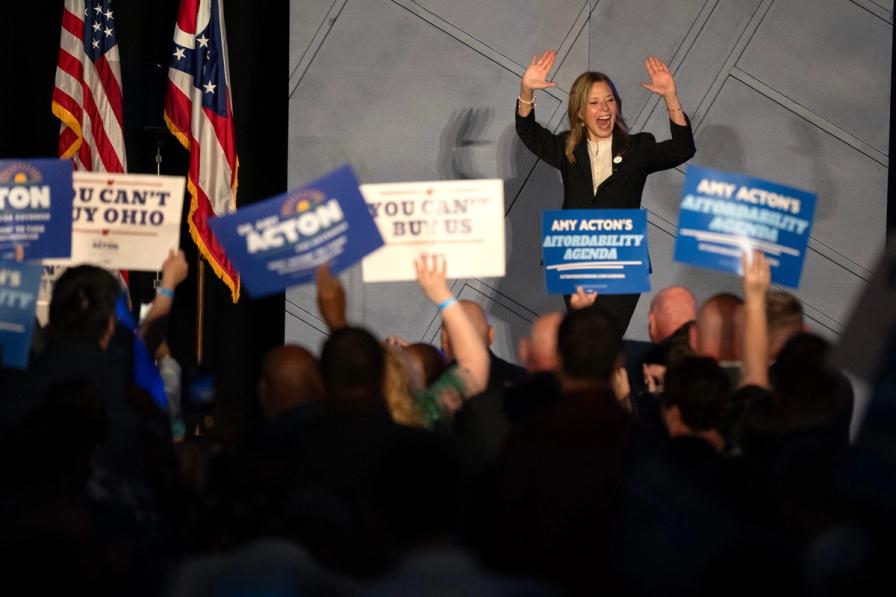
According to new reporting from local outlet Cleveland.com, Republican nominee Vivek Ramaswany did not respond to its questions about gaming views and hasn’t spoken publicly on the topic, while Democratic nominee Dr. Amy Acton is open to legalizing online casino. Libertarian candidate Don Kissick is also amenable to iGaming legalization — but no reputable media outlet, poll, or prediction market gives Kissick any realistic chance of winning the election.
At Kalshi on Monday morning, exactly three months out from the Nov. 3 election, Ramaswany was priced at 52 cents and Acton at 49 cents — nearly a coin flip. Prior to March, the Republican side was consistently favored, but the markets have flipped back and forth and suggested it’s roughly neck and neck for the last five months.
The odds on PredictIt are similarly close. As of Monday morning, they favored Acton, 51% to 49%.

Political perspectives
Acton campaign spokesperson Addie Bullock told Cleveland.com that the Democratic nominee “is open to responsibly expanding iGaming … to increase revenue in Ohio to fund our priorities.” Bullock expounded that those “priorities” include “public schools, childcare, and measures that would reduce costs and property taxes for everyday Ohioans.”
On other gambling topics: Acton favors some restrictions on microbetting (a major point of focus in Ohio because of the controversies surrounding individual pitch betting on two Cleveland Guardians pitchers), does not want a statewide ban on prop bets, and does not endorse further increases to the sports betting tax rate.
Ramaswany, meanwhile, has given no public indication of his feelings on iGaming or sports betting.
Ohio seemed to be making progress toward legalizing iCasino in May 2025, when bills were introduced in both the Senate and the House. But neither progressed, and in July 2025 DeWine made it clear that the issue would have to wait until 2027, stating publicly that he would not sign any online casino bill that made it to his desk.
Although DeWine was in office when sports betting was legalized in Ohio, he later became an outspoken critic of it and said last year that he regretted approving the activity. He also successfully pushed for doubling of sports betting taxes from Ohio’s original 10% to 20%. He tried to double them again to 40% but faced too much resistance.
DeWine’s time will soon be coming to an end, and which way voters lean in November figures to go a long way toward determining if Ohio will have regulated online casino in the next four years. Industry observer Steve Ruddock last month put Ohio in the vicinity of 10% likelihood to legalize in either 2027 or ’28. That number may need to be adjusted up or down after November’s potential nail-biter, with one candidate clearly poised to sign a reasonable piece of legislation and the other a total unknown on the topic.

Eric has been a professional editor and writer for more than 25 years, including nearly 20 years of experience covering the gambling industry. He was editor-in-chief of the poker magazine All In from 2005-2015 and manag…