Compliance Confidential: A Five-Part Series Examining 'A Stain On The State'
Nevada's money laundering scandals have quieted, but that doesn't mean the problems have been solved — or even properly addressed

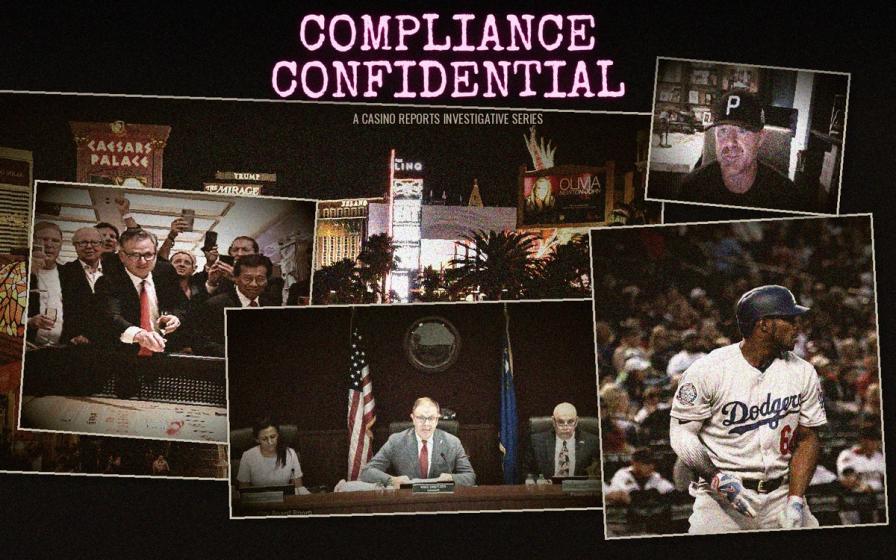
No regulatory issue today looms larger for Las Vegas casinos than anti-money laundering.
Nevada regulators have fined five of gaming's biggest brands — Genting Berhad, MGM, Wynn, Caesars, and The Venetian — millions of dollars over the last two years for AML violations at Strip properties.
Every Nevada Gaming Control Board and Nevada Gaming Commission meeting these days seems to bring another speech about the need to make AML a priority, even as casino executives profusely apologize and pledge their commitment to compliance.
“We know that this entire matter has been a stain on the state and we're embarrassed that we're part of it,” Caesars CEO Tom Reeg said last year.
Not to be outdone, Carlos Castro, the president of Genting’s Resorts World Las Vegas, told regulators his $4.3 billion casino now emphasizes “compliance over commerce,” a bold statement for an executive overseeing a critical asset of a publicly traded company.
AML became a top priority in Vegas gaming after an aggressive federal investigation ensnared one of its brightest stars, Scott Sibella, a casino president so photogenic that he once appeared on the television show Undercover Boss.
Sibella went from the leader of a succession of Strip casinos to a virtual overnight pariah when he pleaded guilty to violating the Bank Secrecy Act, a federal law that seeks to make it harder for criminals to obscure the origins of money generated by drug trafficking, fraud, or other illegal activity.
Since Sibella’s downfall, others have quietly lost their jobs, but no one else has been publicly held accountable despite the detailed complaints of widespread misconduct at the fined operators.
Indeed, state regulators have made no effort to name more names and instead have concentrated on fostering a strong compliance culture and discouraging further federal intrusion.
“We’re trying to change that culture, which has been taking place in Nevada for many, many decades,” said control board member George Assad during a March hearing, “and we have to do that to keep the federal government out of the proverbial tent.”
How lax were Vegas casinos? Who was responsible? What's different now? These are questions Casino Reports will explore in a new five-part article series.
We’ll examine the biggest problems identified by regulators, dig into the Sibella case, scrutinize efforts at enforcement and reform, and probe the culture of secrecy at Las Vegas casinos that hinders candid discussion of their failings.
Along the way, you’ll hear from compliance experts while we connect previously unconnected dots that have been in plain sight this whole time.
Altogether, we’ll paint a picture the industry and regulators aren’t publicizing about compliance, the Strip, and what it looks like to police AML in Sin City.
Next, in Part 1 of Compliance Confidential: How a casino host catering to a client and turning a blind eye to his background laid the groundwork for a massive money laundering scandal.

Brian Joseph is a Las Vegas-based contributing writer covering gaming news in Nevada and California, the latter where he once served as the Sacramento bureau chief for the Orange County Register. Brian is the author of…