Compliance Confidential, Part One: What Happens In Compliance, Stays In Compliance
Those who work in compliance are in an awkward spot, as doing their jobs properly can mean a loss of revenue for the casino


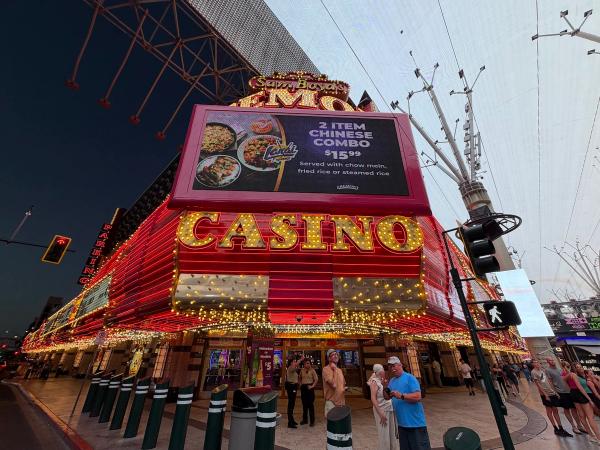
Casino host Jeremiah Chambers sounded almost apologetic when The Cosmopolitan’s compliance department asked him to get more information about the source of funds for one of his clients, a former minor league pitcher named Wayne Nix.
“[I]t’s because you paid with cash that anything came up,” Chambers texted on Feb. 27, 2019, asking Nix for a copy of his business license, articles of incorporation, or business card. “It’s no big deal[.] I just have to get them something.”
Through his accountant/business manager, Nix responded by providing the Cosmo with records of several expenditures, including stock purchases and investment agreements for a small restaurant and nightclub.

That documentation, however, did not show any money actually flowing into Nix’s personal or business accounts. By then, Chambers knew that the Southern California resident’s source of funds was in fact a sprawling illegal sports betting ring that reportedly counted Scottie Pippen and the business partner of LeBron James as clients.
But Chambers didn’t tell compliance that.
Instead, the host dutifully forwarded the expense records to compliance, which accepted them as sufficient in violation of anti-money laundering standards.
“[I]t was[n’t] a big deal.” Chambers later told Nix. “We just needed to get something to show our compliance guy your source of income. With the amount that you play and pay they want to see something where income is coming from.”
Three months later, Chambers sent Nix a new client — Yasiel Puig, then an outfielder for the Cincinnati Reds. Nix paid Chambers $2,000 for the referral.
That story, a tale to make any compliance official cringe, was just one of several embarrassing anecdotes unearthed in the AML scandal still roiling Las Vegas and the American gaming industry today.
It illustrates not one but two of the biggest problems directly or indirectly identified by federal law enforcement and Nevada regulators: inadequate follow-through by compliance personnel and financial incentives to not report red flags.
Each represents a basic flaw of casino compliance.
Fish out of water
Compliance is an awkward fit within casino operations. Its work can run counter to the efforts of marketing, player rewards, and other departments, resulting in a loss of revenue whenever compliance personnel deem a patron to be unfit to game.
That’s why compliance functions often sit outside of the organizational hierarchy of individual casinos or corporate gaming operations. Compliance staffs may report to general counsels, not casino presidents or CEOs, and independent chairpersons oversee compliance committees to try to prevent profit motives from tainting compliance decisions.
It’s true that AML standards have grown tighter and more sophisticated over the past decade. But the essential expectations for compliance personnel have not changed, and the Nevada Gaming Control Board complaints tied to the scandal describe behavior at multiple properties that appears to fall short of best practices.
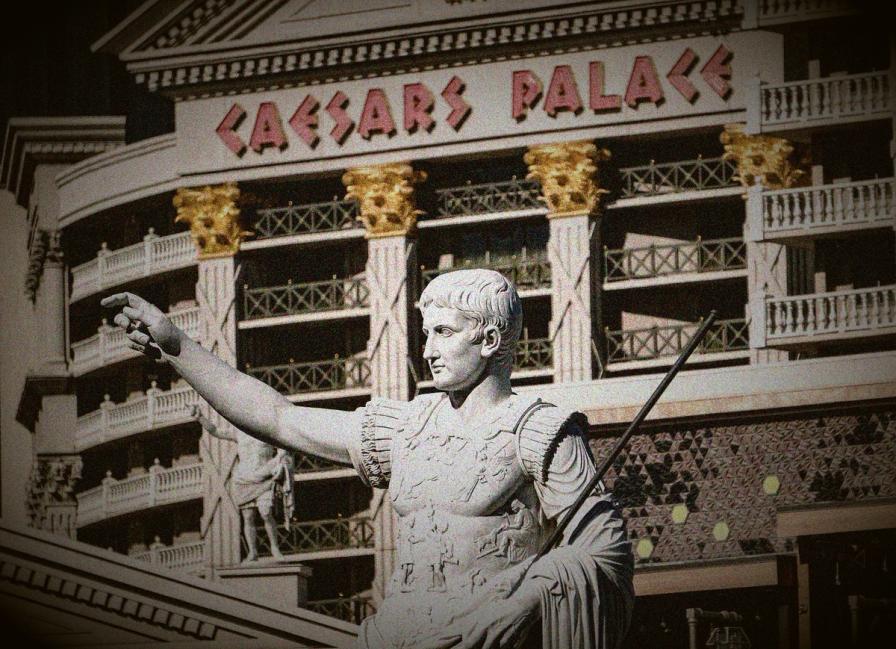
- Caesars Entertainment’s corporate compliance staff scrutinized Mathew Bowyer several times over six-plus years, was unable to verify the source of his funds, received an anonymous complaint that he was a bookie, and knew he had been banned from two Las Vegas casinos, but nonetheless continued to allow him to gamble at Caesars properties until the FBI raided his home.
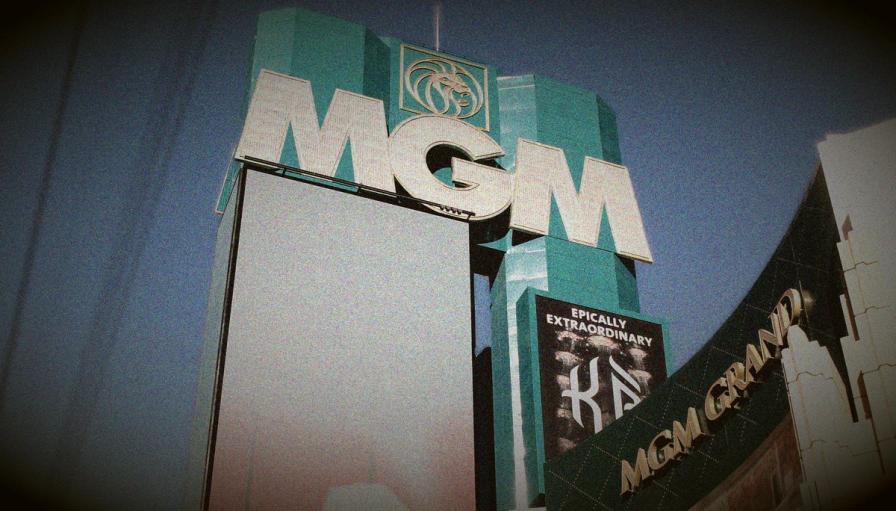
- MGM’s corporate AML Program didn’t consider customers who repeatedly made large cash transactions with large denominations worthy of closer examination, which in turn caused MGM Grand’s compliance staff (separate from former president Scott Sibella) to not file Suspicious Activity Reports about Nix — even though the team had reason to be wary about the source of his funds.
- Resorts World’s compliance staff allowed felon Chad Iwamoto to gamble even after it learned of his guilty plea in connection with an illegal internet gambling operation, and its compliance committee both failed to bar Edward Ting from its property after learning about his connection to organized crime and repeatedly allowed Bowyer to keep playing despite not being able to verify the origins of his money.
“Those were bad calls,” said Kimberly McCabe-Ward, a gaming compliance consultant.
Representatives of Caesars, MGM, and Resorts World all declined to comment for this series.
Perverse incentives
No evidence has been presented to suggest that the missteps by compliance personnel may have been driven by greed. But that may not be the case for seven hosts also caught up in the scandal — two at Resorts World, two at MGM Grand, one at The Venetian, and one with MGM corporate, along with Chambers at the Cosmo.
Hosts are paid a salary but receive bonuses tied to how much their clients play. In other words, they make more money the more clients they have, giving them a strong reason not to tell compliance about anything that could jeopardize the play of someone on their roster.
In Chambers’ case, he pocketed a kickback, too, reflecting a pervasive tipping culture in Las Vegas that also complicates compliance efforts. Hosts generally are not supposed to accept kickbacks or even tips.
Indeed, AML experts admit hosts represent a threat to casino compliance, which largely has been overlooked by Nevada regulators, whose biggest reform in this area has been codifying that operators have the option of withholding employee compensation if there are questions about a customer’s source of funds.
For workers outside of compliance departments, casino compliance is treated as a catch-as-catch-can task: If you see something, say something. But compliance operates in a bit of silo. There are no formal industry best practices for ensuring that information learned outside of compliance is later routed to it.
Meanwhile, the workers with the closest relationships to the wealthiest and therefore riskiest customers also have a deep financial incentive to say nothing.
“It’s almost impossible for an AML system to be effective if you don’t have an appropriate control framework, good culture, oversight, and governance at the board level,” said i3Strategies founder Vic Maculaitis, “and casinos simply do not.”
In Las Vegas, AML compliance also faces a sort of cultural resistance. AML standards are rules-based, requiring every individual and every situation to be assessed and treated the same. Sin City, on the other hand, historically was driven by relationships and favors and special treatment.
Hosts developed long, loyal relationships with customers who followed them when they moved to new properties. Discretion and privacy were valued. Retired hosts shudder at modern Know Your Customer practices that seek to uncover where a patron got their money and puzzle over concerns about bookies, who were once embraced by the city.
In that light, is it surprising that a Resorts World host said nothing when one of his clients told him that Bowyer was a bookmaker? The host later told the Nevada Gaming Control Board that he didn’t tell his supervisors because he “thought that [he] was not the only one that kind of knew and it was kind of looked over.”
Then again, according to a close reading of the Resorts World complaint and media reports, the customer who told the host about Bowyer appears to have been Damien LeForbes, another bookie to whom the host referred at least one client.
Next, in Part 2 of Compliance Confidential: A powerful casino executive goes from Undercover Boss to fall guy for the feds.

Brian Joseph is a Las Vegas-based contributing writer covering gaming news in Nevada and California, the latter where he once served as the Sacramento bureau chief for the Orange County Register. Brian is the author of…