Compliance Confidential, Epilogue: Reflections On The AML Scandal Las Vegas Managed Instead Of Solved
When the goal is 'to keep the federal government out of the proverbial tent,' reform doesn't come easily

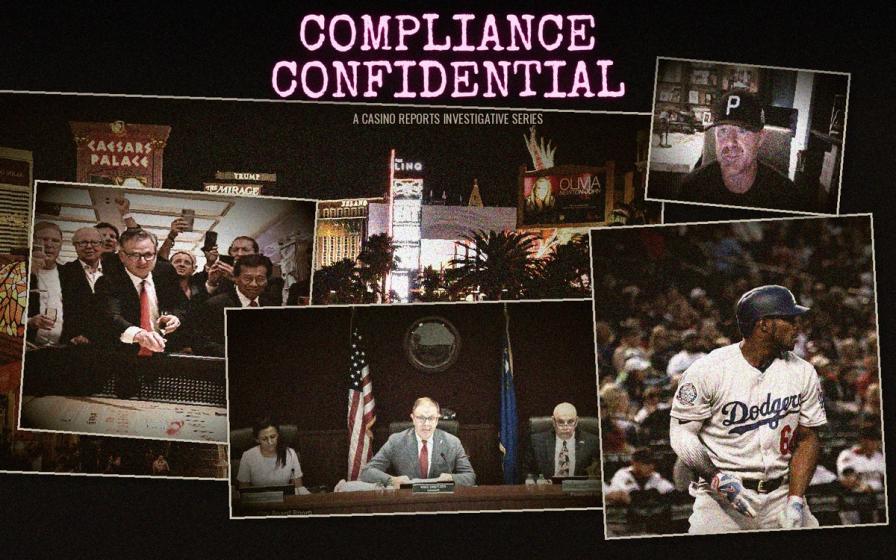
Nevada regulators and casino executives have cast the anti-money laundering scandal in Las Vegas as a morality play about the seriousness of compliance. But the affair may be better understood as an exercise in crisis management.
Like many communities reliant on tourism for their economic well-being, Las Vegas is sensitive to anything that could harm its reputation, especially when it comes to gaming, an industry already saddled with historic mob ties and moral concerns.
The federal prosecution of a prominent casino president was tailor-made to send Las Vegas into a defensive crouch.
Scott Sibella’s case deserves special attention here because it was the first domino to fall. Nevada Gaming Control Board complaints and the government’s non-prosecution agreements with operators leave no doubt that Sibella’s behavior was hardly unique in Las Vegas.
Federal law enforcement, however, prioritizes headline-making takedowns over low-profile lawbreakers.
So, when Sibella, already famous for his appearance on Undercover Boss, wound up on a wiretap with a casino patron making not-so-subtle references to illegal bookmaking, the feds had all they needed to turn him into a poster boy for criminal AML negligence.
In Las Vegas, Sibella’s case clearly was seen as more than just another PR headache. It was taken as a warning shot by the federal government.
Operators responded by making a show of their concern and contrition while regulators sermonized about the importance of AML compliance and initiated a series of enforcement actions and rule changes.
NGCB member George Assad seemed to say the quiet part out loud when he said the gaming community had to change its culture “to keep the federal government out of the proverbial tent,” although he subsequently told us his intent was to quell talk about a federal gaming commission and federal tax.
Even so, an inspection of the changes made in response to the scandal suggests that mollifying critics may have been a bigger priority than ending questionable practices or bringing in new leadership.
Time and again, the NGCB’s own complaints point to the financial incentives of hosts as a driving factor in AML violations. Hosts are responsible for ensuring the happiness of high-volume players, and their bonuses are tied to the play of the clients on their roster. That gives them little reason to report any red flags that could cause one of their clients to be cut off by compliance.
Yet there’s no discussion about banning this pay structure. All the NGCB has done is say that operators have the option of not paying bonuses if there are questions about a patron’s source of funds. Operators have always had that choice.
Meanwhile, the mere optics of appointing former NGCB chair AG Burnett to the Resorts World Board of Directors after he oversaw compliance functions at the same property when it was engulfed in a compliance scandal were barely even questioned.
Burnett and Resorts World argue his previous role with the casino is irrelevant because he wasn’t specifically working in AML compliance at the time. But his prior oversight of any compliance functions at the scandal-scarred property naturally undercuts the narrative that new leadership was installed to shake up the status quo.
This looks like wagon circling in the face of threats to reputation, entrenched power, and, ultimately, money. It appears to have happened as a matter of course, thanks to a culture of secrecy that seemingly infects everything involving Las Vegas gaming.
The goal here appears to have been to make the headlines and scrutiny cease so everyone can get back to making money. However, if the anonymous subject at the end of the fifth installment in this series is any indication, some root causes of this scandal may have been overlooked.
Or maybe not. It’s hard to know when so few people will talk openly and honestly about these issues. When the overriding objective of a community seems to be to limit its reputational damage, there can be little confidence that anyone has gotten to the truth of the matter, this reporter included.

Brian Joseph is a Las Vegas-based contributing writer covering gaming news in Nevada and California, the latter where he once served as the Sacramento bureau chief for the Orange County Register. Brian is the author of…